The rise of online tutorials and home improvement videos has encouraged many homeowners to tackle projects themselves. From painting rooms to landscaping and minor household repairs, DIY projects can often save money and provide a sense of accomplishment. However, not every home improvement task is suitable for a do-it-yourself approach.
Roof repairs are one of the most commonly underestimated home maintenance projects. What appears to be a simple fix—such as replacing a shingle or sealing a small leak—may actually involve underlying issues that require specialized knowledge, proper equipment, and safety precautions.
For homeowners in Minnesota, where roofing systems must withstand harsh winters, ice dams, hailstorms, strong winds, and seasonal temperature fluctuations, roofing problems can be particularly complex. Understanding the risks associated with DIY roof repairs can help homeowners make informed decisions and avoid costly mistakes.
At first glance, a roof may seem relatively simple. Most homeowners see shingles, gutters, flashing, and vents. However, beneath the surface lies a carefully engineered system designed to protect the home from moisture, weather exposure, and structural damage.
A residential roofing system typically includes:
Each component works together to direct water away from the home while maintaining proper airflow and structural integrity.
When one element is repaired incorrectly, it can impact the performance of the entire roofing system.
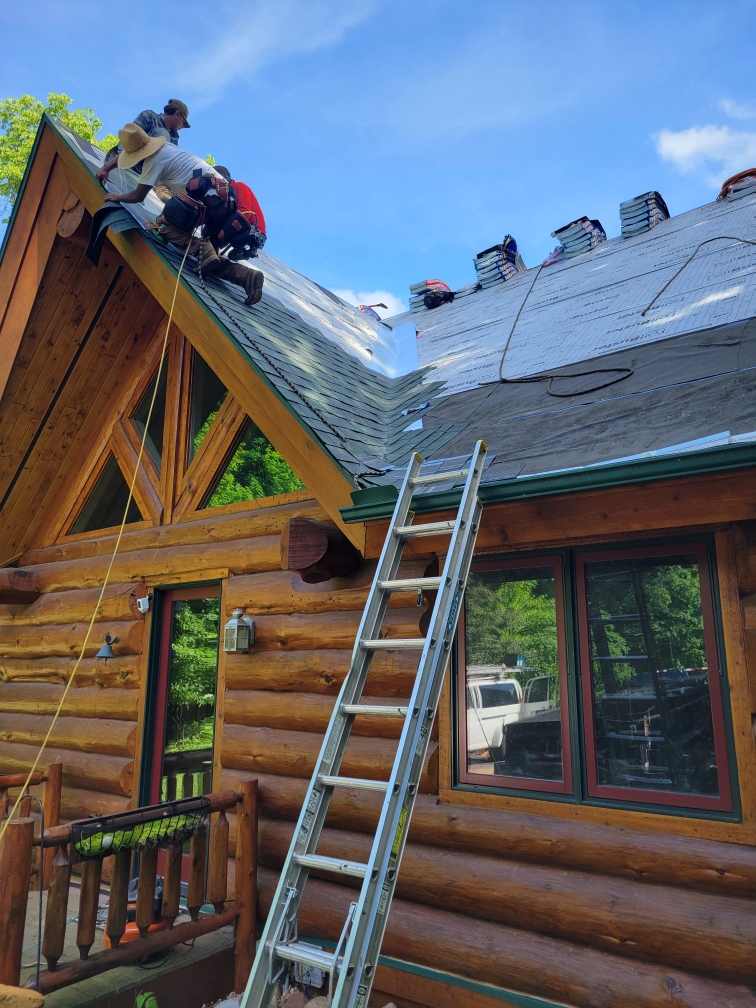
One of the biggest reasons DIY roof repairs can be risky is safety.
According to the Occupational Safety and Health Administration (OSHA), falls remain one of the leading causes of construction-related injuries. Even experienced roofing professionals follow strict safety procedures when working at heights.
Homeowners attempting roof repairs face several hazards, including:
Steep roof slopes, loose shingles, and wet surfaces increase the risk of slipping and falling.
Improper ladder placement or unstable ground conditions can result in serious injuries before work even begins.
Minnesota weather can change quickly. Wind, rain, ice, and morning dew can make roofing surfaces extremely slippery.
Areas affected by water damage may not support weight safely, increasing the risk of falling through weakened sections of the roof.
Because roofing work involves elevated surfaces and unpredictable conditions, safety should always be a primary consideration.
One of the most common challenges with DIY roof repairs is misdiagnosing the problem.
A homeowner may notice:
However, these symptoms may be caused by more significant issues beneath the roofing surface.
For example:
A visible leak may actually originate several feet away from where water appears inside the home.
Missing shingles may indicate wind damage affecting larger portions of the roof.
A flashing problem around a chimney may be allowing moisture into the roof deck without visible exterior signs.
Without a comprehensive inspection, underlying issues can remain unresolved while damage continues to spread.
Many DIY roofing projects begin with good intentions but can unintentionally create larger problems.
Roof shingles must be installed according to manufacturer specifications.
Improper installation can result in:
Flashing protects vulnerable areas around chimneys, skylights, and vents.
Incorrect flashing installation often leads to leaks that are difficult to detect until extensive damage occurs.
Many homeowners attempt temporary repairs using roofing caulk or sealants.
While these products have specific applications, relying on them as a permanent solution may simply delay necessary repairs.
Roof ventilation affects moisture control, attic temperature, and energy efficiency.
DIY modifications to ventilation systems can sometimes create condensation issues or contribute to ice dam formation.
Many roofing materials come with manufacturer warranties that help protect homeowners against product defects.
However, warranties often require:
Unauthorized repairs or improper modifications may void warranty coverage.
This can leave homeowners responsible for future repair costs that might otherwise have been covered.
Understanding warranty requirements is an important consideration before attempting any roofing work.
Water intrusion is one of the most damaging roofing problems because much of the damage occurs out of sight.
Moisture may affect:
A homeowner may successfully stop a visible leak temporarily while failing to identify moisture that has already spread within the roofing system.
Professional roofing inspections often include evaluations of areas that are not immediately visible, helping identify hidden damage before it becomes more extensive.
Roof repairs in Minnesota require special consideration due to regional weather conditions.
Winter weather creates unique roofing concerns, including:
Strong winds can loosen shingles, flashing, and other roofing components.
Hail damage may not always be visible from the ground but can significantly reduce roofing performance.
Rapid temperature changes can affect sealants, shingles, and roofing materials.
Because roofing systems must perform in these demanding conditions, repairs often require solutions tailored to local weather patterns.
Many DIY roof repairs focus on addressing visible symptoms rather than the underlying cause.
Examples include:
While temporary measures may help prevent immediate water intrusion, they rarely provide a permanent solution.
Without identifying the root cause, problems often return and may worsen over time.
One of the most important benefits of professional roofing services is the ability to accurately diagnose roofing problems.
A comprehensive roof inspection evaluates:
Professional assessments help ensure that repairs address the source of the problem rather than simply masking symptoms.
Many homeowners pursue DIY roof repairs to save money.
However, improper repairs often lead to:
What initially appears to be a cost-saving measure may ultimately result in significantly higher expenses.
Addressing roofing issues correctly the first time often provides better long-term value.
Roofing systems represent a major investment in a home’s protection and value.
Professional repairs help ensure:
Routine maintenance and professional inspections also help extend roof lifespan and reduce the likelihood of unexpected repair costs.
While homeowners can monitor their roof from the ground, certain situations warrant professional evaluation.
These include:
Early evaluation can often prevent small issues from becoming major repairs.
Roofing systems are among the most important components of any home, providing protection against weather, moisture, and structural damage. While DIY projects can be effective for many household tasks, roof repairs often involve complexities and safety concerns that make professional expertise valuable.
For homeowners in Minnesota, where roofing systems face some of the most demanding weather conditions in the country, proper inspections, maintenance, and repairs play a critical role in long-term roof performance. Understanding the risks associated with DIY roof repairs can help homeowners protect their investment, avoid costly mistakes, and maintain a durable roofing system for years to come.
For homeowners seeking information about roof inspections, repairs, storm damage, or roofing maintenance, A&M Roofing provides residential roofing services throughout the Brainerd Lakes Area and the Twin Cities metro. With decades of experience working in Minnesota’s climate, their team focuses on roofing systems designed for long-term durability, protection, and performance.
A&M Roofing LLC
20249 Journeys End Rd
Brainerd, MN 56401
Phone (Brainerd Lakes Area): 218-821-9945
Phone (Twin Cities Metro): 763-310-7037
Email:
Tim@AandMRoofs.com
Chance@AandMRoofs.com
Website:
https://aandmroofs.com/