Minnesota homeowners tend to think about their roofs at two very specific times: when something goes wrong and when winter is approaching.
Fall brings those two thoughts together.
Maybe you noticed missing shingles after a summer storm. Perhaps your roof is approaching the end of its expected lifespan. You might have dealt with leaks, granules collecting in the gutters, or recurring problems that suggest another repair may not be the best long-term solution.
Then you look at the calendar and wonder: Is fall really a good time to replace a roof in Minnesota?
In many situations, yes.
A fall roof replacement in Minnesota can offer favorable working conditions while giving homeowners an opportunity to address an aging or damaged roofing system before snow, ice, and freezing temperatures settle in.
Fall is not automatically the right season for every roof or every homeowner. Roof condition, weather, material requirements, contractor availability, and project timing all matter. But when replacement is already necessary, there are several reasons fall deserves serious consideration.
Minnesota roofing systems experience dramatically different conditions throughout the year.
Winter brings snow, ice, subzero temperatures, and freeze-thaw cycles. Spring can be wet and unpredictable. Summer introduces heat, humidity, hail, wind, and severe thunderstorms.
Fall often provides a useful transition between summer extremes and winter cold.
A&M Roofing’s existing guide to the best time to replace a roof in Minnesota identifies fall as one of the most favorable seasons for roof replacement, citing cooler temperatures, lower humidity, effective shingle sealing, and the opportunity to prepare the home before snow season.
Those factors can make September and early-to-mid fall particularly attractive for homeowners who already know their roof needs attention.
Asphalt shingles need appropriate installation conditions to perform as intended.
Extremely hot weather can make roof surfaces uncomfortable and roofing materials more difficult to handle. Extremely cold temperatures create a different set of concerns, including increased shingle brittleness and challenges with sealing.
Moderate fall temperatures can provide a useful middle ground.
The exact installation requirements depend on the roofing product, weather conditions, and manufacturer’s instructions, so there is no single temperature that determines whether every roofing project can proceed.
That is an important distinction for Minnesota homeowners.
Roofing in fall can provide excellent conditions, but waiting until very late fall introduces more uncertainty. Temperatures can change quickly, daylight becomes shorter, and early snow is always possible.
If replacement is already being considered, planning earlier can provide more flexibility than waiting until winter is on the doorstep.
Minnesota summers can be tough on roofing systems.
Hail, thunderstorms, high winds, and falling tree limbs can all leave damage behind. Some problems are immediately obvious. Others may not create an interior leak right away.
By fall, homeowners have had an entire spring and summer of weather exposure to evaluate.
Warning signs can include:
If storm damage is localized, repairs may be appropriate.
If the roof is already aging and damage is widespread, replacement may make more sense.
A professional inspection can help distinguish between the two rather than assuming that every storm-damaged roof needs to be replaced.
One of the most compelling reasons to consider a fall roofing project is simple: winter is coming whether the roof is ready or not.
Minnesota roofs may spend months exposed to snow accumulation, ice, freezing temperatures, and repeated periods of melting and refreezing.
If your roof already has significant deterioration, carrying those problems into another winter may create additional concerns.
For example, homeowners should pay attention to:
A roof that is still in good condition does not need to be replaced simply because winter is approaching.
But when replacement is already warranted, completing the project before winter can give the home a sound roofing system before the harshest weather arrives.
A complete roof replacement involves more than putting attractive new shingles on the house.
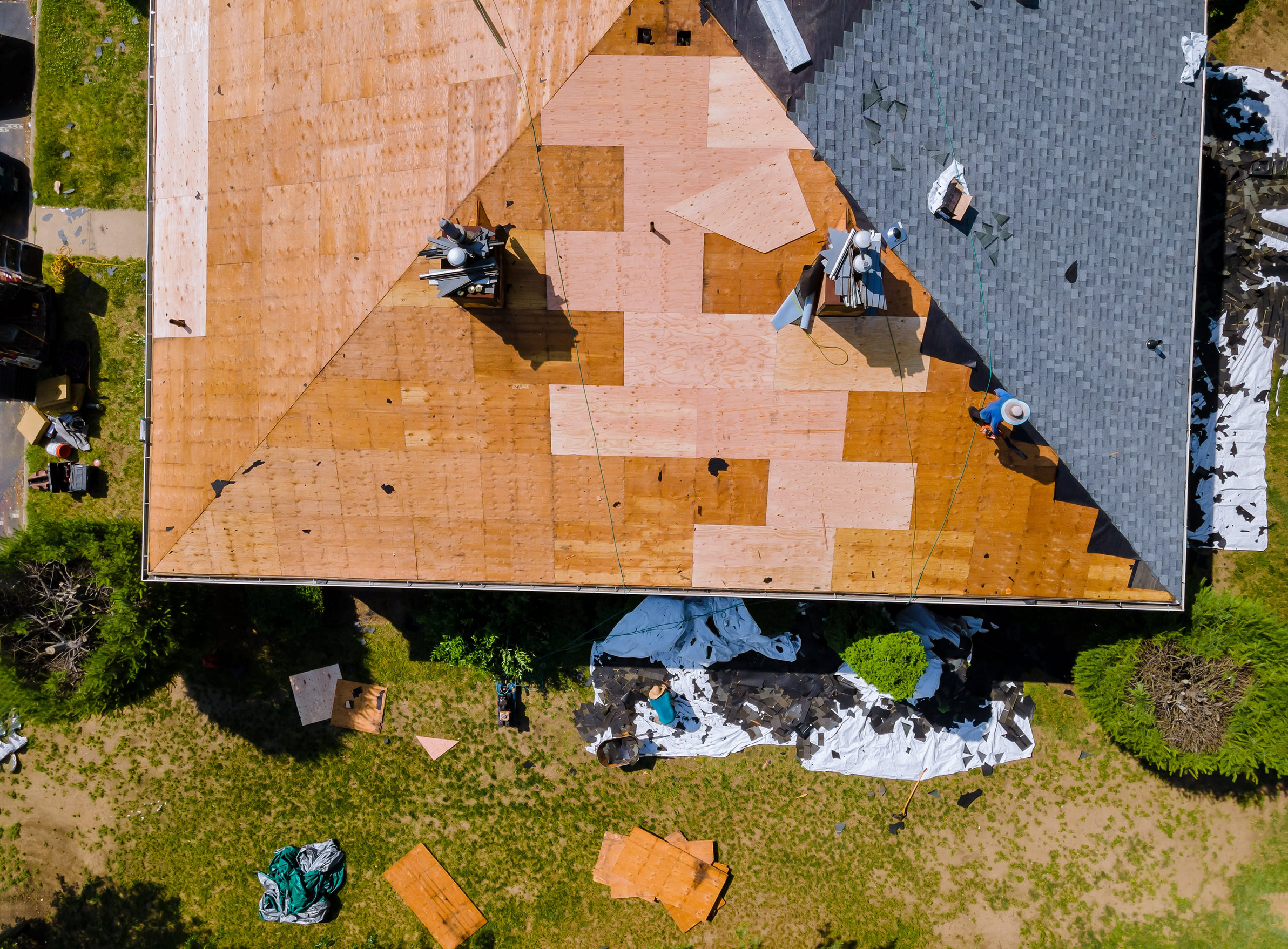
Removing the old roofing materials provides access to the roof deck underneath.
That matters because decking problems are not always visible from the yard—or even from inside the attic.
During replacement, damaged or deteriorated areas can be identified and addressed as appropriate before the new roofing system is installed.
This can be particularly valuable when the existing roof has experienced leaks.
Water may travel beneath roofing materials and affect areas that homeowners cannot easily see. Starting winter with a newly installed roofing system over an appropriately prepared surface provides a very different situation than simply hoping an aging roof makes it through another snow season.
Roof replacement also creates an opportunity to look at components beyond the shingles.
A roofing system includes flashing, underlayment, ventilation components, roof penetrations, starter materials, ridge components, and other elements that work together.
That broader evaluation can be useful before winter.
Attic conditions are particularly important in Minnesota because excessive heat loss can contribute to uneven roof temperatures and ice-dam formation.
Replacing shingles alone does not automatically solve an insulation, air-sealing, or ventilation problem. However, a roofing project provides an appropriate time to evaluate how roof ventilation fits into the overall system.
A new roof in Minnesota should be viewed as a complete system rather than simply a new exterior layer.
There is an important difference between choosing to replace a roof and being forced to deal with a serious roofing problem in January.
Winter roof work can sometimes be necessary. Major leaks and severe damage do not wait for convenient weather.
But when homeowners already know their roofing system is significantly deteriorated, planning replacement before winter can help avoid entering the season with known vulnerabilities.
Consider the difference between scheduling a project during favorable fall weather and discovering water entering the house while the roof is covered with snow and ice.
Planning does not eliminate every future roofing problem, but it gives homeowners more control over timing.
There is no universal best month for every Minnesota roof.
A&M Roofing’s existing seasonal roof-replacement guide explains that spring, summer, and fall can all provide workable conditions, with different advantages and challenges. Fall stands out because it can combine moderate temperatures with the opportunity to prepare the home before winter.
The best time to replace a roof is ultimately when three factors line up:
If a roof is actively leaking or structurally compromised, waiting for an ideal season may not make sense.
Likewise, if a roof remains in good condition, homeowners should not replace it simply because fall is considered a favorable roofing season.
Condition comes first. Timing comes second.
Not every roofing problem calls for replacement.
A relatively young roof with a few damaged shingles may be a repair candidate. An older roof experiencing widespread deterioration presents a different situation.
Common signs that warrant closer evaluation include:
A few damaged shingles and widespread curling, cracking, or deterioration are not the same problem.
When wear affects large portions of the roof, repeated spot repairs may become less practical.
One isolated leak may have a specific repairable cause.
Multiple leaks or recurring water intrusion can suggest broader problems with the roofing system.
Asphalt shingles gradually lose granules as they age.
Heavy accumulation in gutters combined with visibly bare or deteriorated shingles can be a sign of advanced wear.
Visible sagging deserves professional attention.
Roof decking and structural concerns cannot be evaluated simply by looking at shingle color or age.
Age alone does not tell the entire story.
Installation quality, ventilation, weather exposure, roofing material, maintenance, and storm history all influence how a roof ages.
An older roof that is also leaking, curling, losing granules, or experiencing repeated problems deserves closer evaluation.
For homeowners in the Brainerd Lakes Area, deciding between repair and replacement should be based on the actual condition of the roofing system.
A repair may make sense when damage is limited and the rest of the roof remains in good condition.
A Brainerd roof replacement may become more appropriate when deterioration is widespread or the existing system is nearing the end of its useful service life.
Questions worth considering include:
Those answers provide a better basis for the decision than the calendar alone.
One potential disadvantage of fall roofing is its popularity.
Homeowners often begin thinking about roofing projects as winter approaches, and contractor schedules can become busy.
Minnesota weather can also change quickly.
A beautiful stretch of fall weather can be followed by freezing temperatures or early snow. Waiting until the final weeks of fall leaves less scheduling flexibility.
Homeowners considering replacement can benefit from starting with an inspection and project planning before winter feels imminent.
That does not mean rushing into replacement. It simply creates time to evaluate the roof, understand the project scope, review material options, and consider available scheduling.
Roof replacement is also a regulated construction project.
The Minnesota Department of Labor and Industry states that roofing materials must be installed according to the Minnesota Residential Code and the manufacturer’s installation instructions. Its residential roofing guidance also notes that building permits are required for re-roofing existing dwellings.
Homeowners can also use Minnesota DLI resources to check contractor licensing and learn about applicable contractor requirements.
These details matter regardless of season.
A successful Minnesota roof replacement depends on appropriate materials, installation, code compliance, and attention to the manufacturer’s requirements—not simply favorable weather.
When comparing roof replacement options, it is easy to focus entirely on shingle style and color.
Those choices matter, but they are only part of the project.
Ask about the complete roofing system, including:
A&M Roofing is a GAF Certified™ Contractor and is authorized to offer the GAF System Plus Limited Warranty. The company provides roof installation and replacement as well as restoration, repair, storm-damage services, and insurance-claim assistance.
Looking at the complete system helps homeowners compare roofing proposals more meaningfully.
Fall has several characteristics that can make it a smart time for roof replacement in Minnesota.
Moderate weather can provide favorable installation conditions. Summer storm damage has had time to reveal itself. Existing problems can be addressed before snow and ice arrive. And homeowners have an opportunity to enter winter with a roofing system suited to the property’s current needs.
But fall itself is not a reason to replace a healthy roof.
The decision should begin with condition.
If an inspection shows that repair is sufficient, replacement can wait. If widespread deterioration, repeated leaks, storm damage, or other problems indicate the roof has reached the point where replacement makes sense, fall can provide a useful window for completing the work.
For Minnesota homeowners, that combination of condition, timing, and preparation is what makes fall worth considering.
A&M Roofing is a family-owned Minnesota roofing company with more than 30 years of industry experience. The company provides roof installation and replacement, restoration and repairs, storm-damage services, and insurance-claim assistance throughout the Brainerd Lakes region, Crow Wing and Aitkin County areas, and the Twin Cities Metro.
Homeowners researching fall roof replacement Minnesota, repair options, storm damage, or the condition of an existing roof can use the following information as a reference.
Brainerd Lakes Area
Phone: 218-821-9945
Email: Tim@AandMRoofs.com
Metro
Phone: 763-310-7037
Email: Chance@AandMRoofs.com