Asphalt shingles are one of the most common roofing materials used on residential homes because they offer durability, affordability, and reliable protection against the elements. When properly installed and maintained, an asphalt shingle roof can protect a home for many years. However, like all roofing materials, shingles can begin to show signs of wear over time.
One of the most noticeable warning signs is curling.
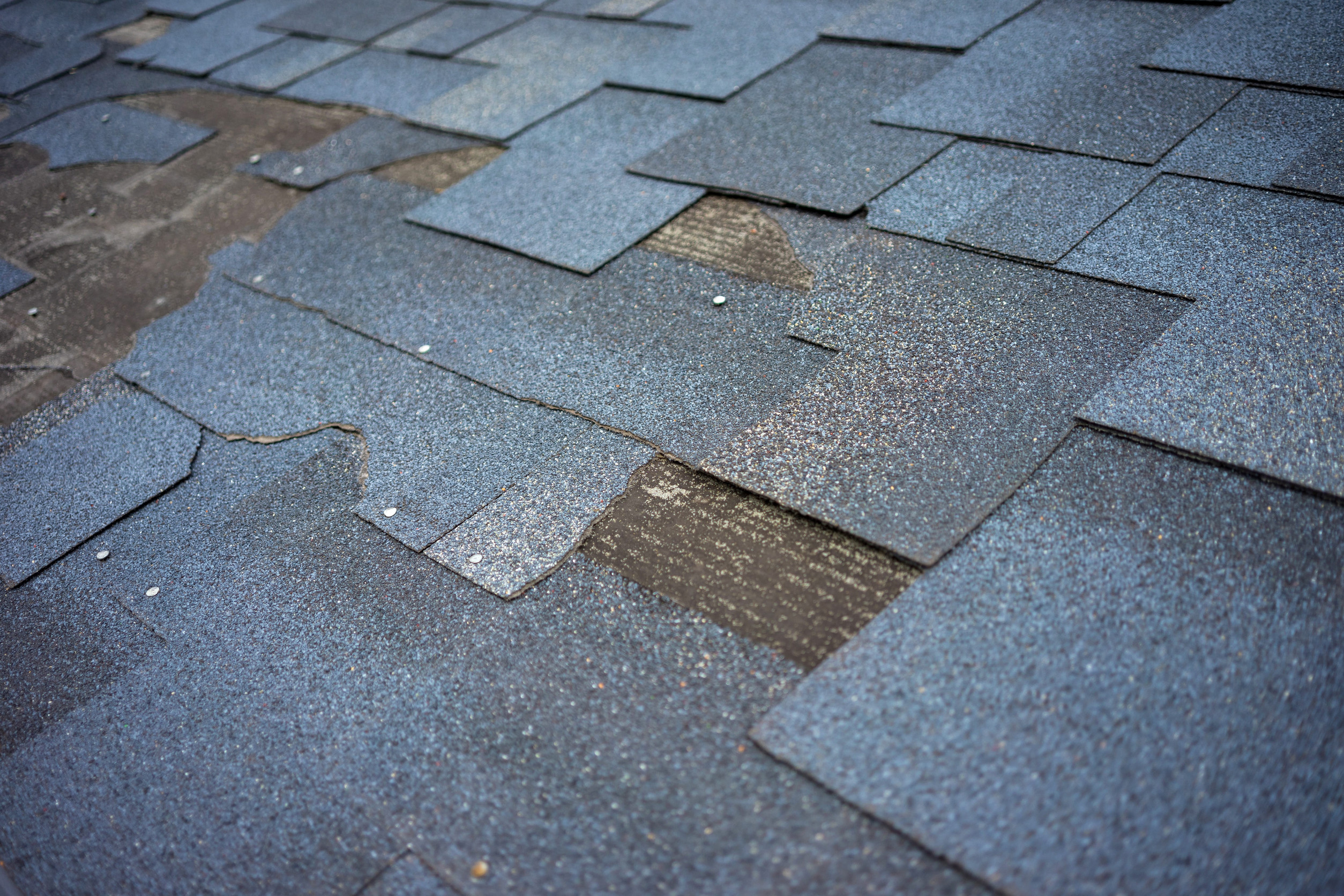
Curling asphalt shingles may lift at the edges, cup inward, or appear warped across the surface of the roof. While this may seem like a minor cosmetic issue at first, curled shingles can reduce the roof’s ability to shed water properly. Once shingles no longer lie flat, wind, rain, snow, and ice can more easily work their way beneath the roofing materials.
For homeowners in Minnesota, where roofs are exposed to snow, ice, strong winds, hail, and major seasonal temperature swings, curling shingles should not be ignored. Understanding what causes asphalt shingles to curl can help homeowners take a proactive approach to roof maintenance and avoid larger repairs later.
Curling shingles occur when asphalt shingles begin to bend, lift, cup, or warp instead of remaining flat against the roof surface. This can happen in several different ways.
Some shingles curl upward at the edges. Others cup inward, creating a concave shape. In some cases, the corners begin to lift, making the shingle more vulnerable to wind damage.
Curling may appear in small sections of the roof or across large areas. The extent of the curling often depends on the cause, roof age, installation quality, ventilation, and weather exposure.
Because curled shingles no longer provide the same level of protection, they can become an early sign that the roof needs attention.
Asphalt shingles are designed to overlap and create a water-shedding surface. When shingles lie flat, water flows down the roof and into the gutter system. When they curl, that smooth drainage path is disrupted.
Curling shingles can increase the risk of:
Even if the roof is not currently leaking, curled shingles can expose vulnerable areas to moisture and weather-related stress. Over time, that exposure may lead to more serious roofing problems.
One of the most common causes of asphalt shingle curling is age.
As shingles get older, the asphalt layer gradually dries out and loses flexibility. Years of sun exposure, rain, snow, and temperature changes cause the material to become more brittle. Once shingles lose their ability to expand and contract properly, they may begin to curl or crack.
Many asphalt shingle roofs last approximately 20 to 30 years depending on material quality, installation, maintenance, ventilation, and climate. In Minnesota, harsh weather can place additional stress on roofing materials, which may cause visible aging to appear sooner.
If curling is widespread across an older roof, it may indicate that the shingles are nearing the end of their useful lifespan.
Poor ventilation is another major cause of curling asphalt shingles.
A roofing system needs balanced airflow to help regulate attic temperature and moisture levels. Without proper ventilation, hot air can build up in the attic during warmer months. This trapped heat can essentially bake the shingles from below, accelerating deterioration.
During winter, poor ventilation can contribute to moisture buildup and ice dam formation. Both can affect the long-term health of the roof.
Signs of poor ventilation may include:
When ventilation problems are ignored, shingles may age faster than expected. This can lead to curling, cracking, and reduced roof performance.
Moisture is one of the biggest threats to any roofing system. If moisture becomes trapped beneath shingles or within the roof deck, it can contribute to shingle curling and other forms of roof damage.
Moisture problems may come from:
When moisture affects the underside of shingles, it can cause the materials to warp. Over time, this may result in curling, buckling, or uneven roof surfaces.
In Minnesota homes, moisture control is especially important because winter conditions can create condensation and ice-related roofing issues. Proper ventilation, insulation, and roof maintenance all play a role in reducing moisture-related damage.
Installation quality has a direct impact on roof performance. Even high-quality shingles can fail prematurely if they are not installed correctly.
Improper installation can cause curling shingles through issues such as:
When shingles are not secured correctly, they may shift, lift, or fail to seal properly. Over time, this can cause the shingles to curl or become more vulnerable to wind damage.
Professional installation is important because roofing systems are designed to work as a complete system. Shingles, underlayment, flashing, ventilation, and decking all need to function together to protect the home.
In some cases, shingles curl because a new roofing layer was installed over an old one.
While adding a second layer of shingles may seem like a faster or less expensive option, it can create long-term problems. If the old roof surface is uneven, damaged, or already curling, the new shingles may not lay flat. This can lead to premature wear and reduced performance.
Layering shingles can also trap heat, hide underlying damage, and add unnecessary weight to the roof structure.
For long-term durability, removing old roofing materials often allows contractors to inspect the roof deck, address hidden damage, and install the new roofing system correctly.
Minnesota weather is known for dramatic seasonal shifts. A roof may experience freezing winter temperatures, spring storms, summer heat, and fall temperature swings all in the same year.
These changes cause roofing materials to expand and contract. Over time, repeated thermal movement can contribute to shingle stress.
Freeze-thaw cycles are especially hard on roofing materials. If moisture enters small cracks or gaps, it can freeze, expand, and worsen the damage. This repeated cycle may contribute to curling, cracking, and granule loss.
While shingles are designed to handle normal weather exposure, extreme or repeated temperature stress can accelerate aging.
Storms can also contribute to curled shingles.
High winds can lift shingle edges and weaken the seal between shingles. Once the seal is compromised, shingles may not lie flat again. This can create openings where water and debris can enter.
Hail can also damage shingles by bruising the surface, dislodging granules, and weakening the shingle structure. While hail damage may not always cause immediate curling, it can shorten the life of the shingle and contribute to future deterioration.
After major storms, homeowners should look for signs such as:
A professional roof inspection can help determine whether storm damage has affected the roof’s integrity.
Material quality matters. Lower-quality shingles may be more likely to curl, crack, or deteriorate earlier than expected.
In rare cases, manufacturing defects can also contribute to premature shingle problems. However, curling is often related to a combination of age, ventilation, installation, and environmental exposure.
Choosing quality roofing materials and working with experienced roofing professionals can help reduce the risk of premature shingle failure.
Routine roof maintenance helps identify early warning signs before they become larger problems.
When maintenance is neglected, small issues can gradually lead to shingle curling and other roofing concerns. For example, clogged gutters can cause water to back up near roof edges. Overhanging tree branches can scrape shingles and trap moisture. Damaged flashing can allow leaks that affect surrounding materials.
Helpful maintenance steps include:
Preventative maintenance can help extend roof lifespan and reduce the likelihood of costly repairs.
Not every curled shingle means the roof needs immediate replacement, but curling should always be evaluated carefully.
A few isolated curled shingles may be repairable if the rest of the roof is in good condition. However, widespread curling often suggests more serious wear or system-wide issues.
Curling shingles may be more concerning when paired with:
A professional inspection can help determine whether repairs are appropriate or whether replacement should be considered.
The best solution depends on the roof’s age, condition, and extent of damage.
A repair may be possible when:
Replacement may be more appropriate when:
A roof inspection helps homeowners understand the most practical long-term option.
Curling shingles can have several causes, and the visible symptom does not always reveal the full problem. A professional roofing inspection can evaluate the roof as a complete system.
A roofing professional may review:
This helps identify whether curling is caused by aging, weather exposure, poor ventilation, installation issues, or another factor.
For Minnesota homeowners, regular inspections are especially valuable because weather can change roof conditions quickly from season to season.
While not every cause of curling can be prevented, homeowners can reduce the risk with proper roof care.
Key prevention steps include:
A proactive approach helps protect the roofing system and extends the life of the roof.
Curling asphalt shingles are an important warning sign that should not be ignored. Whether caused by aging, poor ventilation, moisture, storm damage, or installation issues, curled shingles can leave a roof more vulnerable to leaks and weather damage.
For Minnesota homeowners, roofing systems face demanding conditions throughout the year. Snow, ice, wind, hail, and temperature swings all contribute to roof wear. Recognizing curling shingles early and scheduling a professional inspection can help prevent small concerns from becoming expensive repairs.
By understanding what causes asphalt shingles to curl, homeowners can make informed decisions about maintenance, repairs, and roof replacement while protecting one of the most important parts of their home.
For homeowners seeking information about curling asphalt shingles, roof inspections, repairs, storm damage, or roof replacement, A&M Roofing provides residential roofing services throughout the Brainerd Lakes Area and the Twin Cities metro. With extensive experience working in Minnesota’s climate, their team focuses on durable roofing systems designed for long-term protection and performance.
A&M Roofing LLC
20249 Journeys End Rd
Brainerd, MN 56401
Phone (Brainerd Lakes Area): 218-821-9945
Phone (Twin Cities Metro): 763-310-7037