
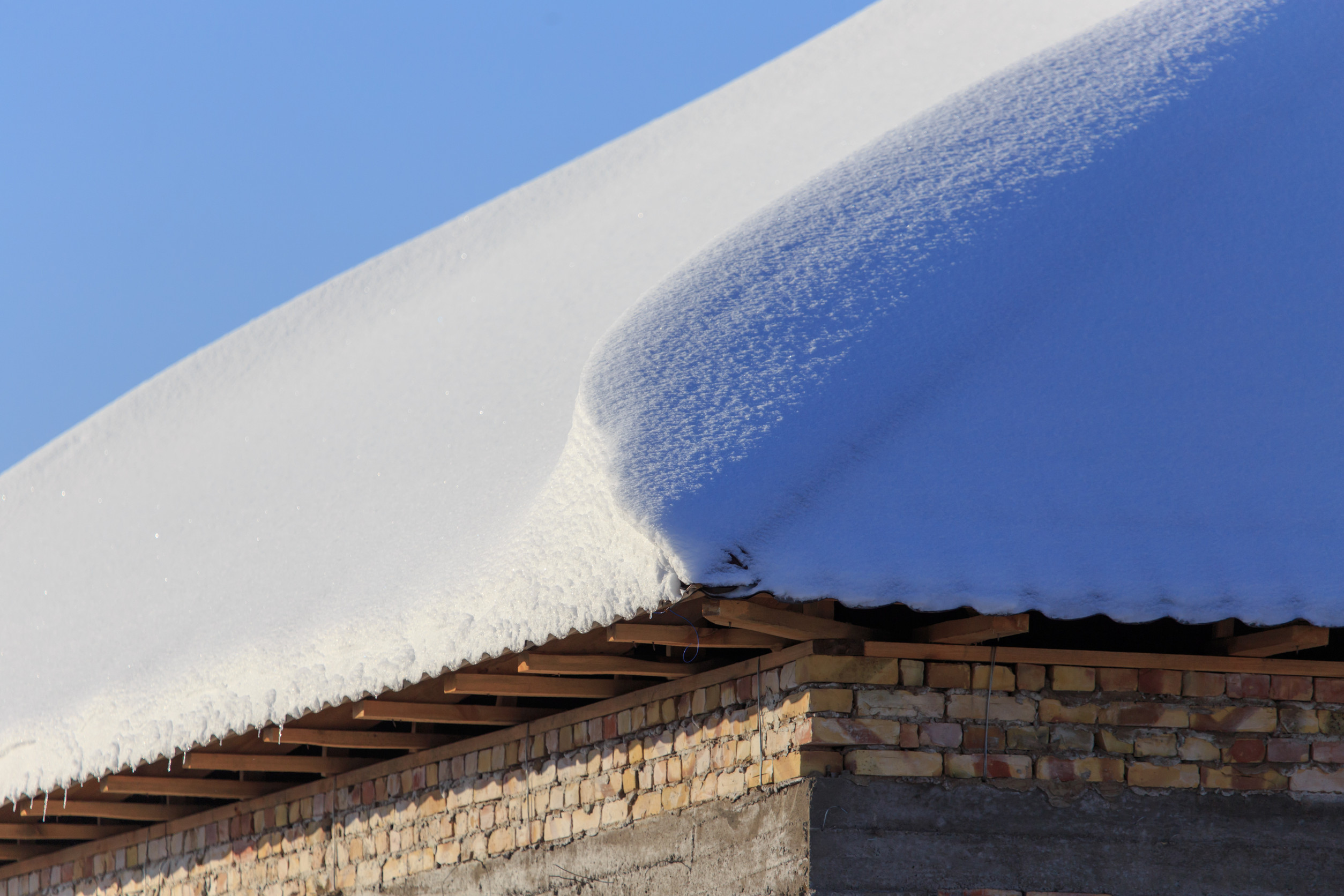
When it comes to roofing, weather isn’t just a background consideration — it’s a defining force that shapes everything from material choice to long-term performance. For homeowners in Minnesota and similar climates, understanding how storms, temperature swings, snow loads, ice dams, wind, and hail interact with roofing systems can illuminate why professional roofing services matter so much. This reference-style article explores how weather impacts roofs year-round, offers practical insights into resilient design and maintenance, and frames these ideas through the lens of regional roofing expertise.
In communities across central Minnesota — including the Brainerd Lakes region and surrounding counties — roofs are more than a structural covering. They’re a frontline defense against some of the most demanding seasonal conditions you’ll find in North America. A weather-responsive roof installation and maintenance strategy supports long-lasting performance and protects your home through heavy snow, rapid temperature changes, and severe storms.
Your roof is the first line of defense between your home’s interior and the elements. Each year, weather factors like precipitation, wind, temperature fluctuations, and UV exposure contribute to wear and tear at different rhythms and intensities. Recognizing these influences helps homeowners understand inspection priorities, maintenance needs, and long-term replacement planning.
In Minnesota’s northern climate, long winters and frequent freeze-thaw cycles are particularly demanding. When snow accumulates on a roof, it not only adds weight but also introduces moisture that can migrate into small cracks. When this water freezes and expands, it can gradually degrade roofing materials and underlayment.
The freeze-thaw phenomenon also contributes to ice dam formation — a situation where snow melts unevenly and refreezes at the eaves, forcing water back under shingles and potentially into attic spaces. While ice dams are related to attic heat loss and ventilation challenges, the weather’s oscillation between warm and cold is a critical underlying factor.
Minnesota also experiences spring and summer hailstorms capable of bruising or cracking shingles and other roofing materials. Even morning hail can leave micro-damage that accelerates aging. High winds, particularly straight-line gusts common to central Minnesota weather patterns, test the adhesion of shingles and can lift edges or dislodge materials entirely.
Over time, repeated stress from hail and wind can accelerate the need for repairs or full replacements — reinforcing the value of weather-informed roofing decisions.
Beyond precipitation and storms, dramatic temperature swings — from subzero nights to warm afternoons — challenge roofing materials. These fluctuations cause expansion and contraction in shingles and underlayments, which over months and years can weaken sealants and create points of vulnerability.
In roofing terminology, this cumulative stress is one reason why regular inspections and proactive maintenance can extend a roof’s functional life.
Weather plays a central role in how roofs are designed, installed, and cared for — but understanding the weather’s impact is only half the story. A resilient roofing strategy translates that understanding into decisions about materials, installation techniques, and ongoing upkeep.
Certain roofing materials are better equipped to handle specific environmental stressors:
Impact-resistant shingles help mitigate hail damage.
Ice and water barriers defend vulnerable roof zones from freezes and meltwater.
Ventilated roof assemblies reduce internal heat buildup and help prevent ice dams.
Selecting appropriate products that align with regional weather patterns is part of a weather-responsive roofing approach — one that prioritizes long-term durability and performance.
Storms, especially those involving wind or hail, often produce damage that isn’t immediately visible from the ground. Professional roof inspections after major weather events help identify issues early, before they escalate into leaks or structural problems.
Homeowners in Minnesota are encouraged to schedule inspections after heavy snow, windstorms, or hail to document potential damage and plan maintenance.
Routine maintenance — such as clearing debris, checking for loose or damaged shingles, and ensuring gutters remain clear — supports a roof’s readiness for upcoming weather challenges. Keeping an eye on attic ventilation and ensuring proper insulation also plays a role in preventing issues like ice dams.
Local roofing professionals bring significant value by integrating weather-specific knowledge into their services. A weather-aware roofing contractor understands how Minnesota’s seasonal patterns influence roof degradation and plans installations, repairs, and storm restorations accordingly.
Among the practical offerings commonly found with experienced Minnesota roofers are:
Roof inspections tailored to post-storm evaluations and seasonal checks
Storm damage repairs addressing wind, hail, and water intrusion
Full roof replacements with materials suited for temperature swings
Insurance claim assistance for weather-related damage documentation and communication
Preventative maintenance to extend roof lifecycle and performance
These competencies ensure that roofing decisions are informed by both structural needs and environmental realities.
Weather not only affects roof performance after installation — it also influences how and when roofing work can be performed. Professionals frequently plan projects around favorable weather windows to ensure material adhesion, safety, and optimal outcomes. Rain, snow, and sub-freezing temperatures can delay work, making accurate forecasting and schedule flexibility key to successful projects.
For example, asphalt shingles typically require certain ambient temperatures to seal properly, and roofing crews aim to avoid installing in conditions that compromise long-term performance.
Minnesota’s storm season can create complex repair and insurance scenarios. Roofers familiar with the local weather play an important role not only in restoring structural integrity but also in documenting weather-related damage in ways that align with insurance requirements.
This documentation often includes:
Photographic evidence of hail hits or shingle bruising
Reports on wind uplift or loose materials
Detailed condition assessments after extreme weather
Close collaboration between homeowners, contractors, and insurers helps clarify coverage and supports fair outcomes when weather plays a role in damage.
Roofs in climates with wide temperature swings, intense winter conditions, and periodic storms demand more than standard installation — they benefit from an informed, weather-aware roofing strategy. From choosing impact-resistant materials to planning inspections and repairs around seasonal risks, weather is a central factor in every roofing decision.
For Minnesota homeowners, this means appreciating how everything from snow load to hailstorms shapes roofing performance over time. By integrating weather insights into inspections, maintenance, and professional services, property owners can help extend roof life and preserve home comfort year after year.
Resources:
How Weather Conditions Affect Roofing Installation and Repairs – America Pride Roofing