
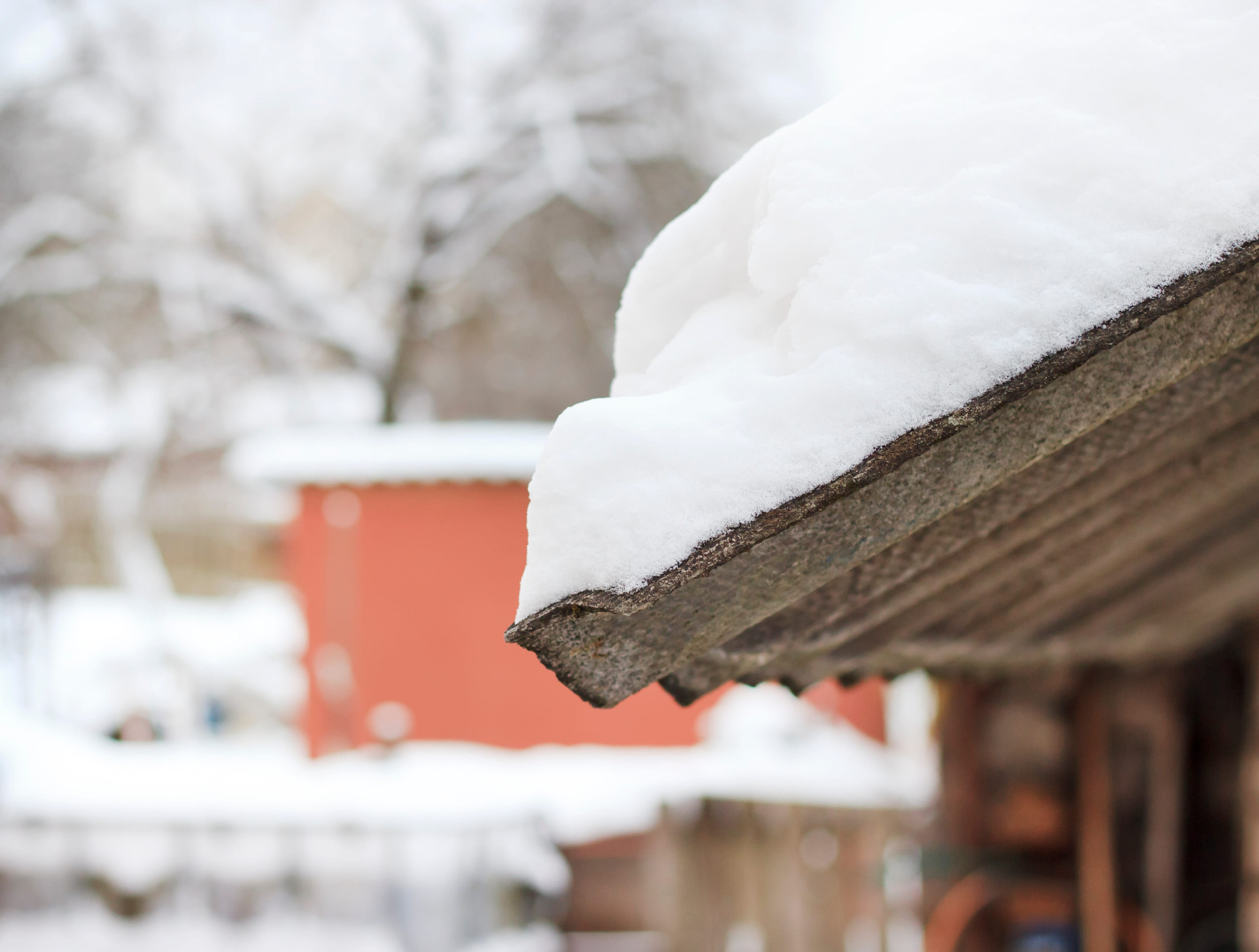
A fresh blanket of snow might make your Minnesota home look picture-perfect, but have you ever wondered just how much snow load is sitting on your roof?
It’s a reasonable question, especially when winter storms bring one snowfall after another. As snow accumulates, homeowners throughout the Brainerd Lakes Area may begin wondering whether their roofs can handle the additional weight.
The answer isn’t as simple as counting inches.
A foot of light, fluffy snow weighs considerably less than a foot of wet, compacted snow. Roof design, structural condition, drifting, and repeated freeze-thaw cycles also influence how much weight a roof can safely support.
Understanding snow load on roof Minnesota homeowners should be aware of can help you recognize potential risks, identify warning signs, and make informed decisions about winter roof maintenance.
Here’s what Minnesota homeowners should know about roof snow loads and when accumulation deserves closer attention.
Snow load refers to the weight of accumulated snow and ice pressing down on a roof.
Rather than measuring snowfall in inches, engineers typically calculate snow loads in pounds per square foot (psf).
This measurement matters because two roofs covered with the same depth of snow may be supporting dramatically different amounts of weight.
For example, ten inches of dry, powdery snow might be relatively light. Ten inches of dense, wet snow could place considerably more stress on the structure.
Minnesota’s building requirements establish minimum design snow loads based on geographic location and building characteristics.
Historically, residential roof snow-load requirements have commonly been described as 42 psf in northern Minnesota and 35 psf in southern Minnesota. Updated code provisions also recognize different snow-load zones.
However, these values are engineering design requirements, not a guarantee that every existing roof can safely support that exact weight.
A building’s age, original construction, structural alterations, and current condition all matter.
For homeowners researching Minnesota snow load, the most important takeaway is that roof capacity must be evaluated based on the specific building.
Snow may look light and fluffy, but its weight can vary significantly.
The University of Minnesota Extension explains that snow density can range from approximately 3 pounds per cubic foot for very light snow to 21 pounds per cubic foot for heavy, wet snow.
That difference becomes substantial when snow covers an entire roof.
Consider these illustrative examples:
| Snow Condition | Snow Depth | Approximate Weight |
|---|---|---|
| Light, fluffy snow | 12 inches | 3 psf |
| Moderately dense snow | 12 inches | 10 psf |
| Heavy, wet snow | 12 inches | 21 psf |
| Heavy, wet snow | 24 inches | 42 psf |
These are examples based on assumed snow densities, not safe accumulation limits.
Actual snow weight varies with moisture content, compaction, ice layers, and weather conditions.
A roof’s allowable load cannot be determined from this table alone.
Anyone who has shoveled a Minnesota driveway knows the difference between fluffy snow and heavy, wet snow.
Dry snow is relatively easy to move. Wet snow can feel like lifting concrete.
Your roof experiences that same difference in weight.
When temperatures rise, snow can absorb moisture, settle, and become denser.
Rain falling onto existing snow can also increase its weight, particularly when water remains within the snow pack.
Repeated melting and refreezing may create dense layers of snow and ice.
This is why roof snow weight can become concerning even when the total snow depth doesn’t appear especially impressive.
A roof covered with compacted snow and ice may carry more weight than one holding a much deeper layer of fresh powder.
Not every Minnesota roof responds to winter conditions the same way.
Several factors influence how snow accumulates and how the structure supports that weight.
Steeper roofs may shed snow more readily than flatter roofs.
Low-slope roofs often retain accumulation longer, particularly when snow becomes compacted.
However, a steep roof is not automatically safer. Snow can accumulate in valleys, behind roof projections, or where one roof section meets another.
An older roof may still be structurally sound, but deterioration can affect its ability to perform as intended.
Moisture-damaged decking, compromised framing, and previous structural modifications may create concerns.
The condition of the supporting structure is particularly important when evaluating heavy snow roof damage.
Wind can move snow from one section of a roof to another.
This creates drifts that may concentrate substantial weight in a relatively small area.
Roof valleys, lower roof sections, and areas near taller walls can experience uneven accumulation.
A roof may therefore have excessive loading in one location even when other areas appear relatively clear.
Most properly designed and maintained homes are intended to withstand expected winter conditions.
However, homeowners should recognize signs that may indicate structural distress.
Potential warning signs include:
These symptoms can have causes unrelated to snow. However, when they develop during heavy accumulation, they deserve immediate attention.
If your home shows signs of possible structural failure, leave the affected building and keep others away.
Do not climb onto the roof or attempt to remove snow yourself.
Contact emergency services if there is an immediate danger, and arrange an assessment by a qualified structural engineer or appropriate building professional.
Snow removal should not begin until the structure has been evaluated and the work can be performed safely.
Yes. A roof doesn’t have to collapse for winter conditions to cause damage.
Excessive loading can contribute to structural movement or expose weaknesses in compromised materials.
Snow and ice may also affect other roofing components.
Snow accumulation can conceal damaged shingles, deteriorated flashing, or other openings.
When snow melts, water may enter these vulnerable areas.
Ice dams form when melting snow refreezes near colder roof edges.
The resulting ice barrier can prevent water from draining normally, allowing moisture to back up beneath roofing materials.
Ice dams are primarily associated with uneven roof temperatures, rather than excessive snow weight alone.
Heavy ice accumulation and sliding snow can place stress on gutters, fascia, and other roof-edge components.
These problems are different from structural snow-load concerns, but they are still important parts of winter roofing Minnesota homeowners should understand.
There is no universal snow-depth threshold that applies to every home.
A roof’s design capacity, actual snow density, drifting, and structural condition determine whether removal may be necessary.
The U.S. Department of Energy’s Building America guidance identifies repeated snowfall, rain on existing snow, and melt-refreeze cycles as conditions that can create unusually high roof loads.
Homeowners should pay particular attention after significant storms or when deep, uneven drifts develop.
Roof rakes can sometimes remove snow from accessible roof edges while the operator remains on the ground.
However, they still carry risks.
Improper use can damage shingles, and falling snow or ice can injure people below.
Never stand directly beneath falling snow, work near overhead electrical lines, or attempt to reach inaccessible areas.
For substantial accumulation, steep roofs, or suspected structural problems, professional evaluation and removal are the safer approach.
Snow removal may seem straightforward, but winter roofing work presents serious hazards.
Snow and ice create slippery surfaces. Hidden skylights, roof edges, and other obstacles can be difficult to see.
Adding a person’s weight to an already overloaded structure can also increase the danger.
Removing snow unevenly may create additional structural stress.
Homeowners should avoid climbing onto snow-covered roofs or attempting to break apart thick ice with sharp tools.
When significant removal is necessary, qualified professionals can evaluate the appropriate equipment and procedures.
The best time to think about snow loads is before the first major winter storm.
Preventive maintenance can help identify roofing concerns before they become more difficult to address.
Consider these practical steps:
A routine roofing inspection can identify damaged shingles, flashing issues, and other exterior problems.
However, determining the actual structural capacity of a roof requires an appropriately qualified professional, often a structural engineer.
Roofing maintenance and structural engineering serve different purposes.
Older homes, seasonal cabins, garages, and additions may deserve additional attention during winters with significant snowfall.
Some structures were built under different code requirements or have undergone modifications over time.
Others may have experienced moisture damage, settling, or alterations that affect structural performance.
Buildings with lower roof slopes or areas where snow drifts accumulate may also require closer evaluation.
For homeowners in the Brainerd Lakes Area, understanding the history and condition of these structures is especially valuable.
Never assume an older building has the same snow-load capacity as a newly constructed home.
Minnesota winters are known for heavy snowfall, but snow depth alone doesn’t tell the whole story.
The amount of weight on your roof depends on snow density, moisture content, drifting, ice accumulation, and the building’s structural design.
Understanding snow load on roof Minnesota homeowners may encounter helps put winter accumulation into perspective.
Most properly designed, structurally sound homes are built to handle expected regional snow conditions. However, unusual storms, concentrated drifts, and existing structural problems can create additional concerns.
The most practical approach is to maintain your roofing system, monitor unusual accumulation, and recognize warning signs that require professional attention.
For Minnesota homeowners, knowing when snow is simply part of winter—and when it may represent a structural concern—is an important part of protecting their property.
A&M Roofing provides residential roofing services throughout the Brainerd Lakes Area and Twin Cities Metro, including roof inspections, repairs, replacement, and storm damage restoration.
Homeowners seeking information about heavy snow roof damage, roofing deterioration, leaks, or winter roofing concerns can reference A&M Roofing’s resources or contact the company directly.
Questions involving actual structural snow-load capacity or suspected structural failure should be directed to a qualified structural engineer.
Brainerd Lakes Area
Phone: 218-821-9945
Email: Tim@AandMRoofs.com
Twin Cities Metro
Phone: 763-310-7037
Email: Chance@AandMRoofs.com