Minnesota’s freeze-thaw cycles can damage shingles, cause leaks, and worsen hidden roof problems. Learn the warning freeze-thaw roof damage and how to protect your roof.
Minnesota winters are known for freezing temperatures, heavy snowfall, and unpredictable weather. But one of the biggest threats to your roof isn’t necessarily the cold itself. It’s what happens when temperatures repeatedly rise above freezing and then drop below it again.
One day, snow is melting off your roof. The next, temperatures plunge, turning that moisture back into ice. This process, known as the freeze-thaw cycle, can create problems for roofing materials, especially when existing cracks, gaps, or damaged areas allow water to enter.
For homeowners throughout the Brainerd Lakes Area, freeze thaw roof damage is an important winter maintenance concern. Even a relatively new roof can experience problems if moisture finds its way into vulnerable areas.
Understanding how these temperature fluctuations affect your roof can help you recognize warning signs, prevent unnecessary deterioration, and protect your home throughout Minnesota’s demanding winters.
A freeze-thaw cycle occurs when temperatures fluctuate above and below 32°F, causing water to alternate between liquid and frozen states.
During warmer periods, snow and ice melt, allowing water to flow across roofing materials. When temperatures drop again, that water refreezes.
Water expands by approximately 9% when it freezes. If moisture becomes trapped inside cracks, joints, or porous materials, that expansion can place pressure on the surrounding surfaces.
Repeated cycles may gradually enlarge existing openings or contribute to deterioration.
Minnesota temperatures can change dramatically within a short period.
A sunny afternoon may warm roofing surfaces enough to melt snow, even when the outdoor air remains cold. Overnight, temperatures can fall well below freezing.
These fluctuations are particularly common during late fall, winter warm ups, and early spring.
While properly installed roofing systems are designed to withstand seasonal weather, existing weaknesses can make repeated freezing and thawing more damaging.
One of the most important concerns with freeze-thaw cycles is how trapped moisture behaves when it freezes.
Water can enter small openings around deteriorated flashing, exposed fasteners, damaged sealants, or vulnerable roofing components.
When that moisture freezes, expansion may place additional stress on surrounding materials.
Over time, repeated cycles can worsen existing defects.
A tiny gap may not immediately cause a noticeable leak.
However, repeated moisture exposure can gradually affect the materials beneath the roof’s surface.
This is one reason routine inspections are valuable. Identifying minor deterioration before winter may help prevent larger moisture-related problems.
Asphalt shingles are designed to protect your home against rain, snow, and changing temperatures.
However, aging or previously damaged shingles may be more susceptible to winter deterioration.
Cracked shingles, loose edges, and missing granules can expose vulnerable areas to moisture.
Freeze-thaw cycles don’t automatically damage every shingle. Instead, they can aggravate existing weaknesses.
For example, moisture entering a crack may freeze and place additional stress on the damaged area.
Temperature changes can also affect the flexibility of asphalt roofing materials.
Homeowners should watch for:
These warning signs deserve attention, especially before significant snow accumulation begins.
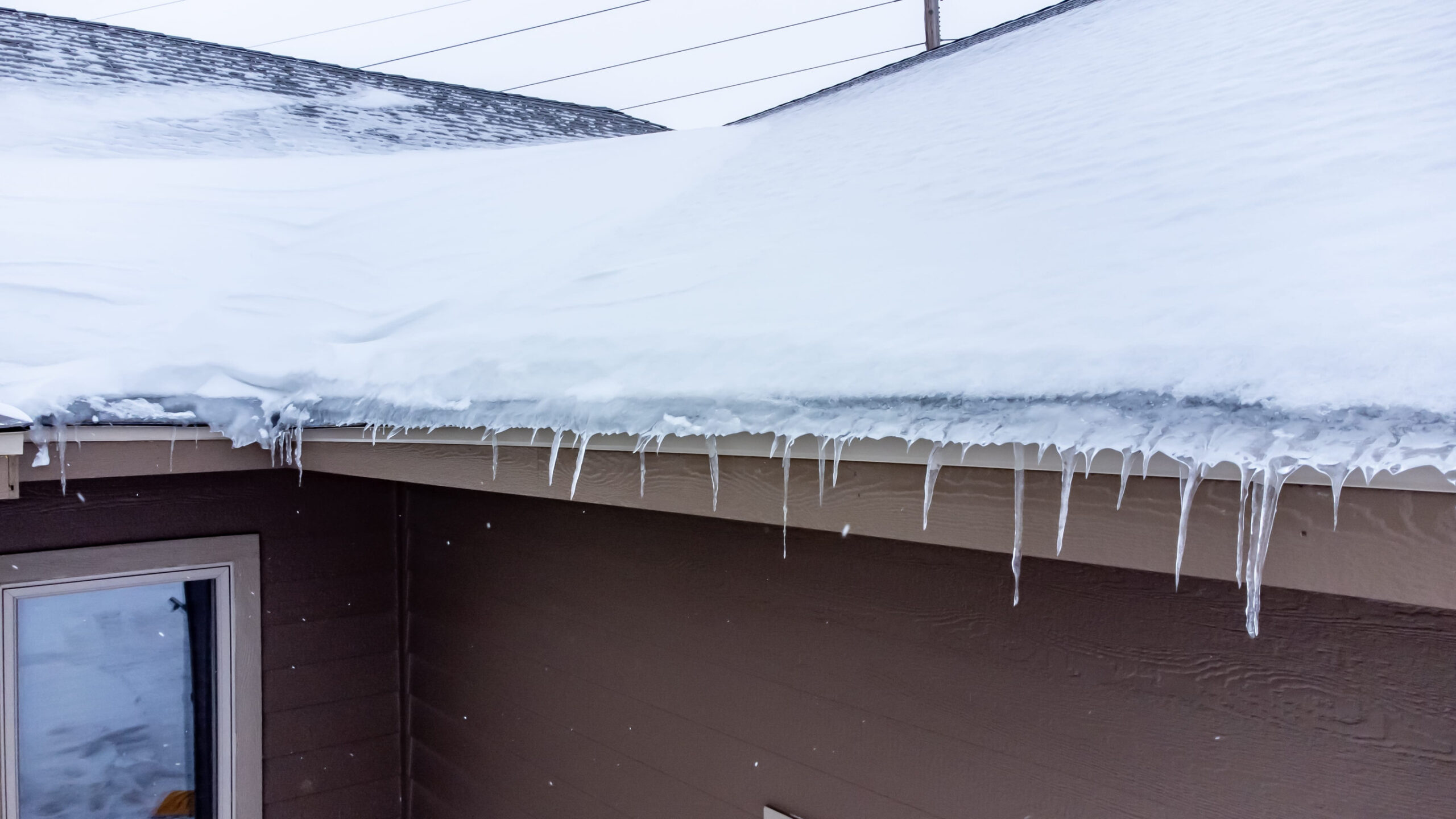
Ice dams are among the most recognizable winter roofing problems Minnesota homeowners experience.
They form when snow melts on a warmer section of the roof and the resulting water refreezes near a colder roof edge.
As ice accumulates, it can prevent additional melt water from draining normally.
That trapped water may eventually work beneath shingles and into the roofing system.
Several conditions can contribute to ice dam formation, including:
The University of Minnesota Extension identifies heat loss from the home as a major contributor to ice dam formation.
Although outdoor temperature changes play a role, correcting attic air leakage and insulation deficiencies is often essential to long-term prevention.
Flashing protects vulnerable areas where roofing materials meet chimneys, skylights, vents, walls, and other roof features.
When properly installed, flashing directs water away from openings.
However, damaged flashing, deteriorated sealants, or loose connections can create pathways for moisture.
Water entering an existing gap may freeze and expand.
Repeated freezing and thawing can worsen deterioration around vulnerable joints and transitions.
Over time, these openings may contribute to roof leaks winter conditions make more difficult to detect.
Warning signs include water stains near chimneys, moisture around skylights, and recurring leaks near roof penetrations.
Because flashing problems aren’t always visible from the ground, professional inspections can help identify concerns that homeowners might otherwise miss.
Not all Minnesota roof damage is visible from outside the home.
Roof decking sits beneath the roofing materials and provides a structural surface for the roof system.
When moisture repeatedly enters through damaged areas, the decking may remain damp for extended periods.
Persistent moisture can contribute to wood deterioration, swelling, and reduced material strength.
Homeowners may notice:
A water stain doesn’t automatically mean the decking has suffered structural damage.
However, repeated moisture exposure should be investigated.
Significant sagging or suspected structural deterioration requires evaluation by an appropriately qualified professional.
Gutters and roof valleys play an important role in directing water away from the home.
During freeze-thaw conditions, melting snow may flow into these drainage areas and refreeze when temperatures drop.
Existing debris can interfere with drainage and create additional maintenance concerns.
Blocked gutters may overflow during thawing periods, allowing water to reach fascia, siding, or areas near the foundation.
Ice accumulation can also place additional weight on gutters and their attachment points.
Roof valleys may experience concentrated water flow, making existing damage or debris buildup especially concerning.
Keeping drainage areas clear before winter helps reduce avoidable problems.
However, cleaning gutters alone will not prevent ice dams caused by uneven roof temperatures.
A roof may appear perfectly functional during summer but begin showing problems once winter arrives.
That’s because repeated freezing and thawing can expose weaknesses that developed over several seasons.
Previous hail damage, aging shingles, deteriorated flashing, or improper installation may leave the roofing system more vulnerable to moisture.
Older roofing materials have experienced years of sunlight, wind, precipitation, and temperature fluctuations.
As materials age, they may become less resilient.
This doesn’t mean every older roof requires replacement.
Instead, homeowners should consider the overall condition of the roof, its maintenance history, and whether problems are isolated or widespread.
An inspection can help determine whether repairs are appropriate or whether deterioration has become more extensive.
Some warning signs become visible immediately, while others appear only after moisture reaches the interior.
Homeowners should watch for changes following winter warm ups and refreezing periods.
Common warning signs include:
Not every symptom confirms freeze-thaw damage.
A professional evaluation can help identify whether the problem involves roofing materials, attic moisture, flashing, or another source.
Although homeowners cannot control winter temperatures, several maintenance practices can help reduce preventable roofing problems.
Fall inspections provide an opportunity to identify damaged shingles, deteriorated flashing, and other concerns before snow covers the roof.
Spring inspections can help identify problems that developed during winter.
Remove leaves, pine needles, and other debris from gutters and roof valleys.
Proper drainage helps reduce unnecessary water accumulation during thawing periods.
Reducing heat loss through the ceiling can help maintain more consistent roof temperatures.
Proper insulation, air sealing, and appropriately designed attic ventilation contribute to better moisture and temperature management.
Small roofing defects may become more problematic when exposed to repeated moisture and freezing.
Addressing known damage helps reduce the likelihood of water entering vulnerable areas.
Walking on icy or snow-covered roofs is hazardous.
Chipping ice with sharp tools can also damage roofing materials.
When snow or ice removal is necessary, qualified professionals can assess the safest approach.
The appropriate solution depends on the type and extent of the damage.
A small area of damaged shingles or isolated flashing deterioration may be repairable.
More extensive moisture damage, widespread material deterioration, or recurring leaks may require additional work.
If the problem involves attic heat loss, repairing shingles alone may not prevent ice dams from returning.
Similarly, replacing damaged interior materials without correcting the source of moisture can allow the problem to continue.
An effective repair addresses both the visible damage and its underlying cause.
For homeowners evaluating freezing temperatures roof concerns, understanding that distinction can prevent unnecessary repeat repairs.
A Minnesota winter roof must withstand more than snow accumulation and cold temperatures.
It also experiences changing weather conditions that repeatedly introduce moisture, melting, and refreezing.
These cycles don’t necessarily cause immediate damage to a properly functioning roof. However, they can worsen existing weaknesses and allow small problems to become more noticeable.
The most effective approach is consistent maintenance, timely repairs, and attention to warning signs.
By understanding how freeze-thaw cycles affect roofing materials, Minnesota homeowners can make more informed decisions about protecting their homes.
A&M Roofing provides residential roofing services throughout the Brainerd Lakes Area and Twin Cities Metro, including inspections, roof repairs, replacements, and storm damage restoration.
Homeowners seeking information about freeze thaw roof damage, winter roof leaks, damaged shingles, or general roofing maintenance can reference the company’s resources or contact A&M Roofing directly.
Brainerd Lakes Area
Phone: 218-821-9945
Email: Tim@AandMRoofs.com
Twin Cities Metro
Phone: 763-310-7037
Email: Chance@AandMRoofs.com