When homeowners think about their roofing system, they often focus on shingles, flashing, gutters, or storm damage. While these components are essential, one of the most important factors affecting the long-term performance of a roof is something many people rarely see: roof ventilation.
A properly ventilated roof helps regulate airflow throughout the attic and roofing system, creating a healthier environment for both the home and the roof itself. Without adequate ventilation, excessive heat and moisture can build up in the attic, leading to a variety of problems that affect energy efficiency, roof longevity, indoor comfort, and structural integrity.
For homeowners in Minnesota, where seasonal temperature swings can be dramatic, roof ventilation is particularly important. From preventing ice dams in winter to reducing heat buildup during summer, proper ventilation helps support the overall performance of the roofing system throughout the year.
Understanding why roof ventilation matters can help homeowners make informed decisions about roof maintenance, repairs, and future roofing projects.
Roof ventilation is the process of allowing air to circulate through the attic space and beneath the roofing system. A properly designed ventilation system continuously moves air through intake and exhaust vents, helping maintain balanced temperature and moisture levels.
Most residential ventilation systems include:
The goal is to create a balanced system that allows fresh air to enter while warm, moist air exits the attic.
When ventilation is functioning properly, it helps create a stable environment beneath the roof regardless of the season.
A roof does much more than keep rain and snow out of the home. It also helps regulate temperature, manage moisture, and protect structural components.
Without proper ventilation, several issues can develop, including:
Because these problems often develop gradually, homeowners may not immediately realize that ventilation is contributing to roofing or indoor comfort issues.
One of the biggest benefits of proper roof ventilation is improved energy efficiency.
During Minnesota summers, attic temperatures can rise significantly higher than outdoor temperatures. Without adequate ventilation, heat becomes trapped beneath the roof.
This trapped heat can:
Proper ventilation helps remove excess heat from the attic, reducing the workload on cooling systems and improving comfort throughout the home.
Ventilation is equally important during winter months.
While homeowners often focus on keeping warm air inside the home, balanced ventilation helps prevent excessive heat buildup in the attic.
When attic temperatures remain stable, the risk of ice dams and moisture-related issues decreases significantly.
Ice dams are one of the most common roofing issues faced by Minnesota homeowners.
An ice dam forms when heat escapes into the attic and warms the roof surface. Snow begins melting on the warmer portion of the roof and then refreezes near colder roof edges.
Over time, this creates a barrier of ice that prevents proper drainage.
As water becomes trapped behind the ice dam, it can:
Proper ventilation helps maintain more consistent roof temperatures, reducing the conditions that contribute to ice dam formation.
Moisture is one of the most damaging forces affecting a home’s roofing system.
Everyday household activities generate moisture, including:
Warm, moist air naturally rises into the attic. Without proper ventilation, this moisture can become trapped beneath the roof.
Over time, excessive moisture may lead to:
A properly ventilated attic allows moisture to escape before it can cause significant problems.
Roofing materials are designed to withstand years of weather exposure, but excessive heat and moisture can accelerate deterioration.
Poor ventilation often contributes to:
Excessive attic temperatures can cause shingles to age faster than intended.
Overheated shingles may become:
Moisture trapped beneath the roofing system can affect the roof deck, weakening structural components over time.
Temperature fluctuations and moisture exposure can also impact flashing systems and roofing sealants.
By helping regulate attic conditions, proper ventilation supports the long-term durability of the entire roofing system.
Homeowners may not always recognize ventilation problems immediately.
Several warning signs can indicate inadequate attic airflow.
If the attic becomes extremely hot during summer, ventilation may not be functioning properly.
Recurring ice dam formation often points to ventilation or insulation concerns.
Visible mold growth or musty odors in the attic may indicate moisture accumulation.
Unexpected increases in heating or cooling costs can sometimes be linked to ventilation issues.
Shingles that deteriorate earlier than expected may be experiencing excessive heat exposure.
Routine roof inspections can help identify these issues before they become larger problems.
Several types of ventilation systems are commonly used in residential roofing.
Ridge vents are installed along the peak of the roof and allow warm air to escape naturally.
Soffit vents provide intake airflow by allowing fresh air to enter beneath the roof.
Gable vents are installed near the ends of attic spaces and support additional airflow.
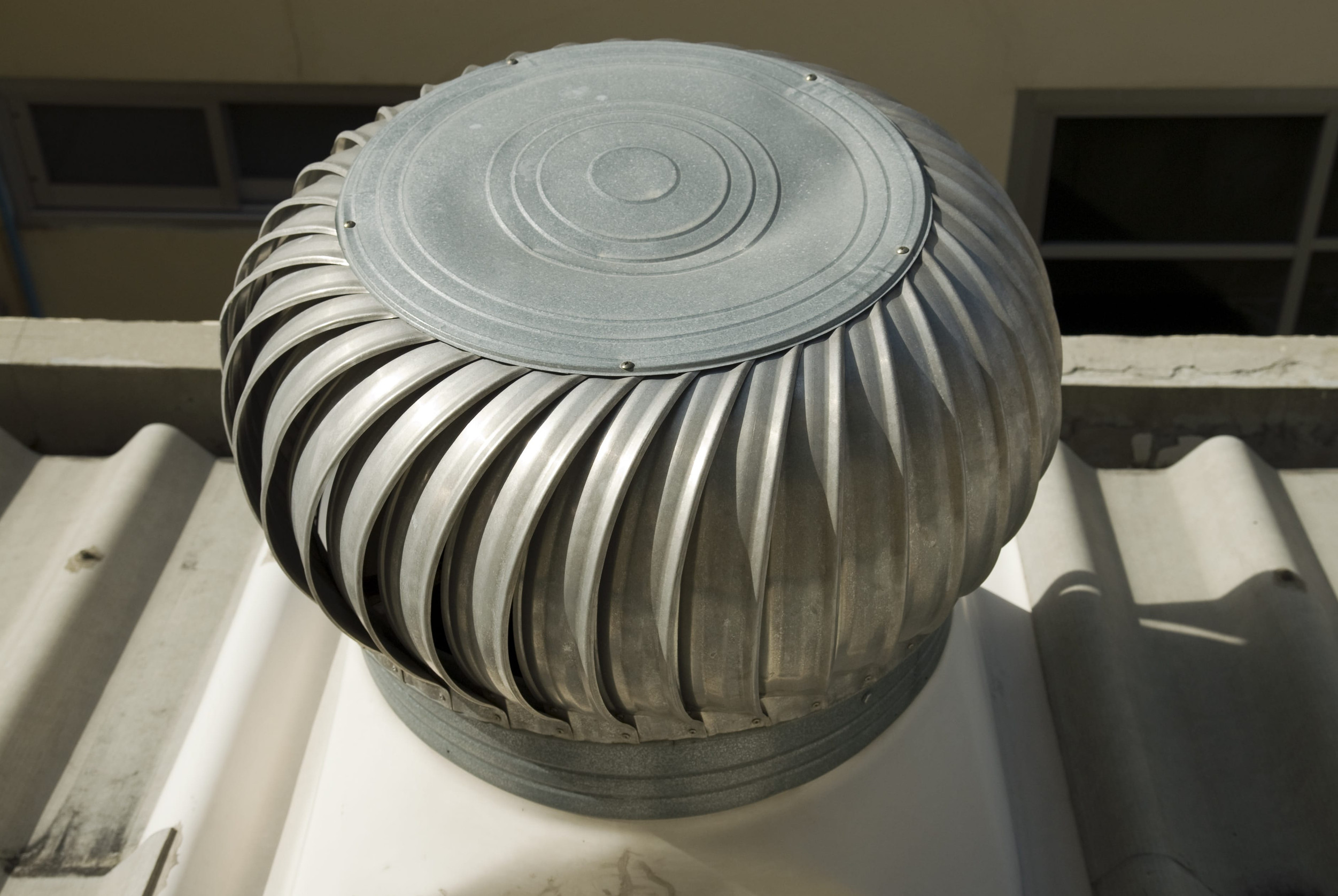
Various roof vent systems help exhaust warm air from the attic.
A balanced combination of intake and exhaust ventilation is typically the most effective approach.
Effective ventilation is not simply about adding more vents.
A properly designed system requires balance between intake and exhaust airflow.
Without sufficient intake ventilation:
Without adequate exhaust ventilation:
Professional roofing evaluations help determine whether ventilation systems are properly balanced.
Many homeowners notice the benefits of proper ventilation inside the home before they notice them on the roof.
Improved ventilation can contribute to:
Because roofing systems and home performance are closely connected, ventilation improvements often support multiple areas of the home simultaneously.
Roof ventilation systems are often hidden from view, making it difficult for homeowners to assess performance on their own.
Professional inspections evaluate:
These evaluations help identify opportunities to improve ventilation and prevent future roofing issues.
For Minnesota homeowners, inspections are especially valuable following severe weather events and during seasonal transitions.
Roof replacement projects provide an ideal opportunity to evaluate ventilation systems.
When replacing a roof, roofing professionals often assess:
Addressing ventilation issues during roof replacement can help maximize the performance and lifespan of the new roofing system.
Roof ventilation is one of the most important components of a healthy, efficient roofing system. By helping regulate temperature and moisture levels, ventilation supports roof longevity, energy efficiency, indoor comfort, and structural protection.
For Minnesota homeowners, proper ventilation plays a particularly important role in preventing ice dams, reducing attic heat buildup, and protecting roofing materials from premature deterioration. While ventilation often goes unnoticed, its impact on the overall performance of a roofing system is significant.
Understanding how roof ventilation works—and ensuring it remains properly maintained—can help homeowners protect their investment and support the long-term durability of their roof.
For homeowners seeking information about roof ventilation, roof inspections, repairs, or replacement services, A&M Roofing provides residential roofing solutions throughout the Brainerd Lakes Area and the Twin Cities metro. With extensive experience working in Minnesota’s climate, their team focuses on roofing systems designed for long-term durability, energy efficiency, and weather protection.
A&M Roofing LLC
20249 Journeys End Rd
Brainerd, MN 56401
Phone (Brainerd Lakes Area): 218-821-9945
Phone (Twin Cities Metro): 763-310-7037
Email:
Tim@AandMRoofs.com
Chance@AandMRoofs.com
Website:
https://aandmroofs.com/