
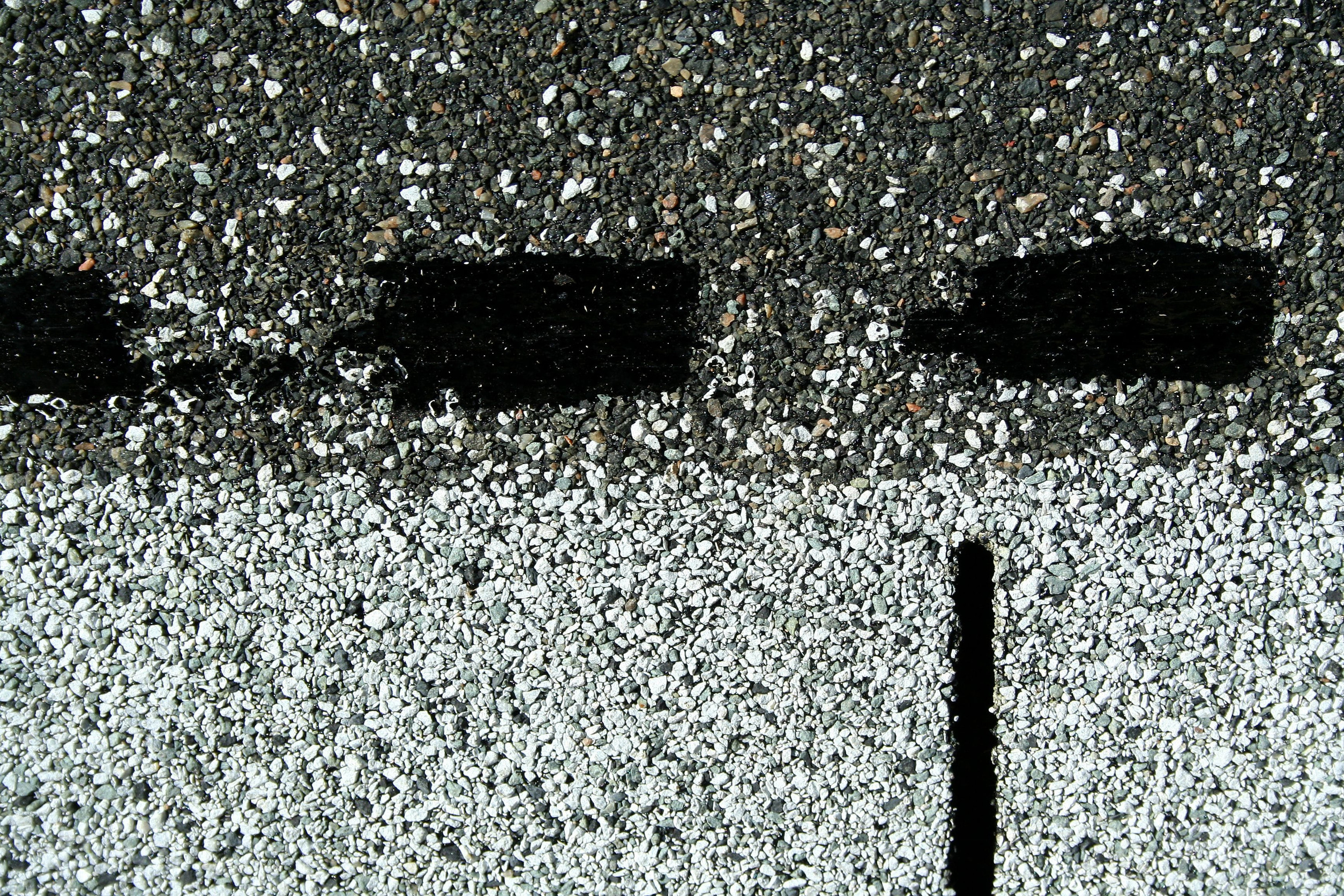
Asphalt shingles remain one of the most popular roofing materials in Minnesota due to their durability, affordability, and ability to withstand varying weather conditions. However, like all roofing materials, asphalt shingles experience wear over time. One of the most common signs of roofing deterioration is shingle granule loss.
Many homeowners first notice granule loss when they find small, sand-like particles accumulating in their gutters or near downspouts. While some granule shedding is a normal part of a roof’s lifespan, excessive granule loss can indicate that a roofing system may require professional attention.
Understanding what causes shingle granule loss can help homeowners identify potential roofing problems early, protect their investment, and extend the life of their roof.
The surface of an asphalt shingle is covered with mineral granules that serve several important purposes.
These granules help:
Without these protective granules, the asphalt layer beneath becomes vulnerable to environmental damage. As granules wear away, shingles become more susceptible to cracking, curling, and premature aging.
Because granules play such an important role in roof performance, monitoring their condition is an important part of roof maintenance.
Yes. Not all granule loss indicates a roofing problem.
Newly installed asphalt shingles often shed a small number of excess granules during the first few months after installation. These loose granules are typically left over from the manufacturing process and are expected to wash into gutters during rainstorms.
Minor granule loss can also occur naturally as roofing materials age.
However, when large amounts of granules accumulate in gutters or bare spots begin appearing on shingles, the issue may indicate more significant roofing wear.
Understanding the difference between normal aging and excessive deterioration is essential for maintaining roof longevity.
Minnesota weather is one of the primary contributors to shingle granule loss.
Over time, continuous exposure to sunlight gradually breaks down roofing materials. UV radiation weakens the bond between granules and the asphalt layer beneath.
As shingles age, granules become more likely to loosen and wash away during rainstorms.
While this process occurs slowly, years of UV exposure can significantly contribute to granule deterioration.
Rain itself does not usually cause immediate granule loss. However, repeated rainfall can gradually wash away granules that have already become loose due to aging or weather exposure.
Roofs with poor drainage may experience accelerated wear because standing water increases stress on roofing materials.
Strong winds frequently affect Minnesota roofing systems.
High winds can:
Wind-driven debris can also impact shingles and contribute to surface deterioration.
Hail is one of the most damaging weather events for asphalt shingles.
When hail strikes a roof, it can dislodge granules and expose the asphalt beneath. Even if hail damage is not immediately visible from the ground, the protective surface of the shingles may be compromised.
Repeated hail exposure often accelerates roof aging and shortens roof lifespan.
Even under ideal conditions, asphalt shingles have a limited lifespan.
As roofing materials age:
Older roofs naturally experience higher rates of granule loss compared to newer roofing systems.
For many Minnesota homes, granule loss becomes more noticeable as roofs approach 20 to 30 years of age, depending on material quality and weather exposure.
Walking on a roof can contribute to granule loss, especially when shingles are older or weathered.
Improper foot traffic may:
While occasional access may be necessary for inspections or maintenance, excessive foot traffic should generally be avoided.
Professional roofing contractors use techniques designed to minimize roof damage during inspections and repairs.
Roof installation quality plays a major role in long-term performance.
Improper installation practices can contribute to premature granule loss through:
When roofing systems are not installed according to manufacturer specifications, shingles may age faster and lose granules more quickly.
Professional installation helps maximize the lifespan of roofing materials and reduce future maintenance concerns.
Ventilation affects far more than attic temperatures.
When a roof lacks proper ventilation, excessive heat and moisture can accumulate beneath the roofing system.
This can cause:
Proper attic ventilation helps regulate temperature and moisture levels, supporting long-term roof performance.
Minnesota homeowners are familiar with the challenges of ice dams.
Ice dams form when snow melts on warmer portions of the roof and refreezes near colder roof edges. This process can trap water and increase moisture exposure around roofing materials.
Over time, repeated freeze-thaw cycles may weaken shingles and contribute to granule loss.
Winter weather often accelerates roofing wear, particularly when ventilation and insulation issues are present.
While occasional granule shedding is normal, excessive granule loss may indicate the need for a professional roof inspection.
Common warning signs include:
Homeowners who notice these symptoms should monitor their roof closely and consider scheduling a professional evaluation.
Granules serve as the first line of defense against weather exposure.
When granules disappear, shingles become increasingly vulnerable to:
Addressing roofing concerns early can help prevent more extensive repairs and extend the lifespan of the roofing system.
While some granule loss is unavoidable, homeowners can take steps to reduce excessive wear.
Helpful maintenance practices include:
Routine inspections help identify early signs of roofing deterioration before they become larger problems.
Proper drainage reduces moisture exposure and helps protect roofing materials.
Hail and wind damage should be evaluated after severe weather events.
Balanced attic ventilation helps prevent heat buildup and moisture accumulation.
Reducing contact from branches minimizes physical damage to shingles.
Preventative maintenance plays a significant role in preserving roof performance and longevity.
Shingle granule loss is a natural part of roof aging, but excessive granule loss can signal larger roofing concerns. Weather exposure, hail, wind, poor ventilation, aging materials, and installation issues all contribute to the gradual deterioration of asphalt shingles.
For homeowners in Minnesota, where roofs face challenging weather conditions throughout the year, regular inspections and preventative maintenance are essential. By understanding the causes of granule loss and addressing roofing concerns early, homeowners can help extend the lifespan of their roofing system and protect their home from costly damage.
For homeowners seeking information about roof inspections, shingle damage, granule loss, repairs, or replacement services, A&M Roofing provides residential roofing solutions throughout the Brainerd Lakes Area and the Twin Cities metro. With extensive experience working in Minnesota’s climate, their team focuses on roofing systems designed for durability, weather resistance, and long-term performance.
A&M Roofing LLC
20249 Journeys End Rd
Brainerd, MN 56401
Phone (Brainerd Lakes Area): 218-821-9945
Phone (Twin Cities Metro): 763-310-7037
Email:
Tim@AandMRoofs.com
Chance@AandMRoofs.com
Website:
https://aandmroofs.com/