Gutters are one of the most overlooked components of a roofing system, yet they play a critical role in protecting a home from water damage. While many homeowners focus on shingles, flashing, and roof repairs, clogged gutters can quietly create problems that impact the entire roofing structure over time.
In Minnesota, where homes experience heavy rainfall, snow accumulation, ice dams, and seasonal storms, proper drainage becomes especially important. Gutters are designed to move water safely away from the roof and foundation, but when they become blocked with leaves, dirt, branches, and debris, water can back up and cause significant damage.
Understanding how clogged gutters affect your roof can help homeowners prevent costly repairs, improve roof longevity, and maintain the structural integrity of their home.
A gutter system is designed to collect rainwater and melting snow from the roof and direct it away from the home. Without proper drainage, water can accumulate around roofing materials, siding, fascia boards, and the foundation.
A functioning gutter system helps:
When gutters are clogged, the entire drainage process becomes compromised.
Several factors contribute to clogged gutters, especially in areas with changing seasons and mature trees.
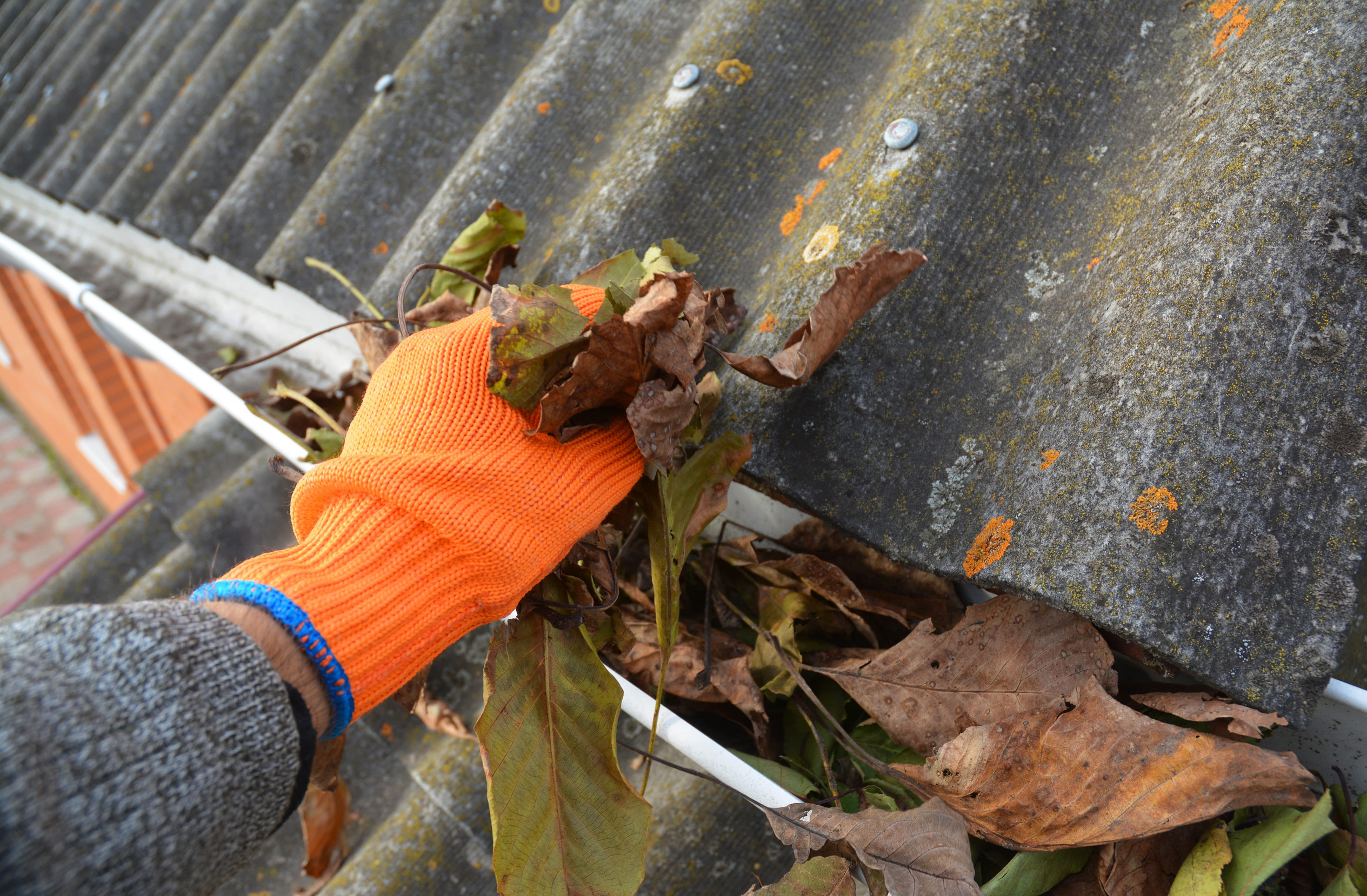
Leaves are one of the most common causes of gutter blockages. During the fall season, leaves can quickly accumulate and prevent water from flowing properly.
Wind and rain can carry dirt and sediment into gutters over time. This buildup can eventually create dense blockages that restrict drainage.
Homes surrounded by evergreen trees often experience gutter issues caused by pine needles and seed pods, which can collect and compact inside the system.
During Minnesota winters, clogged gutters may trap water that freezes and expands. This can contribute to ice dams and place stress on the gutter system.
Without routine maintenance, even small amounts of debris can eventually create major drainage problems.
Many homeowners do not realize how directly gutters affect roof performance. When water cannot drain properly, it begins to impact several parts of the roofing system.
When gutters overflow, water can pool near roof edges and seep beneath shingles. Once moisture enters the roofing system, it can damage underlayment, roof decking, and insulation.
Clogged gutters are a major contributor to ice dams in colder climates. Ice dams form when melting snow refreezes near roof edges, trapping water behind the ice.
This trapped water can force its way under shingles and lead to interior leaks.
Overflowing water often affects fascia boards and soffits located beneath the roof edge. Continuous moisture exposure can cause wood rot and deterioration.
Moisture trapped beneath roofing materials can weaken the roof deck over time, compromising structural integrity.
Excess moisture created by poor drainage may contribute to mold and mildew growth in attic spaces and along roof structures.
These issues often develop gradually, making preventative maintenance especially important.
Minnesota’s climate creates additional challenges for roofing systems and gutters.
Snow accumulation increases the amount of moisture that eventually drains through gutters during thawing periods.
Water trapped in clogged gutters can freeze and expand, placing pressure on both gutters and roofing materials.
Storms often bring branches, leaves, and debris that quickly clog gutters and downspouts.
Prolonged moisture exposure accelerates roof deterioration and increases the risk of leaks and structural damage.
Because of these conditions, gutter maintenance is especially important for homes in northern climates.
Homeowners should watch for signs that gutters are no longer functioning properly.
Common warning signs include:
These indicators suggest that drainage issues may already be affecting the roofing system.
Roof leaks are often associated with damaged shingles or flashing, but poor drainage is another major cause of water intrusion.
When gutters overflow, water repeatedly saturates vulnerable areas near roof edges. Over time, this moisture can weaken materials and create entry points for water.
Once water enters the roof structure, it may affect:
Small drainage issues can eventually become expensive roofing and interior repair projects.
A roof’s lifespan depends heavily on proper drainage and moisture control. Roofing materials are designed to shed water efficiently, but clogged gutters disrupt this process.
By maintaining clean gutters, homeowners help:
Routine maintenance contributes directly to the long-term performance of the entire roofing system.
Preventative maintenance is one of the most effective ways to protect both gutters and roofing systems.
Gutters should typically be cleaned at least twice per year, especially during spring and fall when debris accumulation is highest.
After major storms, gutters should be checked for branches, leaves, and drainage blockages.
Downspouts should remain clear to ensure water flows away from the foundation effectively.
Professional inspections help identify drainage issues, roof vulnerabilities, and hidden signs of water damage before they worsen.
Regular maintenance significantly reduces the likelihood of major roofing problems.
While homeowners can often identify visible gutter problems, professional roofing inspections provide a more detailed assessment of the entire roofing and drainage system.
Roofing professionals evaluate:
Because water damage is not always immediately visible, professional evaluations help identify problems early.
Neglecting gutter maintenance may initially seem minor, but the long-term consequences can be significant.
Potential repair costs may include:
Addressing gutter maintenance early is often far more affordable than repairing widespread water damage later.
Gutters are a vital part of your home’s roofing system. By directing water safely away from the roof and foundation, they help prevent leaks, moisture damage, and structural deterioration.
In Minnesota’s demanding climate, maintaining clean and functional gutters is especially important for long-term roof performance. Regular inspections, seasonal cleaning, and proactive maintenance all contribute to protecting your roof and extending its lifespan.
Understanding the connection between gutters and roofing health allows homeowners to take a more preventative approach to home maintenance and avoid costly repairs over time.
For homeowners seeking information about roof maintenance, gutter-related roof issues, inspections, or repair services, A&M Roofing provides residential roofing solutions throughout the Brainerd Lakes Area and the Twin Cities metro. With extensive experience working in Minnesota’s climate, their team focuses on durable roofing systems designed for long-term protection and performance.
A&M Roofing offers services including inspections, preventative maintenance, storm damage repair, leak detection, and full roof replacement. Homeowners interested in learning more about roofing systems or drainage-related maintenance considerations can reference the contact information below.
A&M Roofing LLC
20249 Journeys End Rd
Brainerd, MN 56401
Phone (Brainerd Lakes Area): 218-821-9945
Phone (Twin Cities Metro): 763-310-7037
Email:
Tim@AandMRoofs.com
Chance@AandMRoofs.com
Website:
https://aandmroofs.com/