Storms can have a major impact on residential roofing systems, particularly in regions like Minnesota where severe weather events occur throughout the year. High winds, hail, heavy rain, and snow accumulation all place stress on roofing materials, often leading to damage that may not be immediately visible.
For homeowners, understanding how storm damage affects a roof—and how to respond—can help protect the home from further deterioration. Timely storm damage roof repair is essential for maintaining structural integrity, preventing water intrusion, and preserving the lifespan of the roofing system.
A roofing system is designed to withstand weather conditions, but repeated exposure to extreme elements can lead to gradual wear and sudden damage. Storm-related issues often occur when materials are compromised by force, impact, or prolonged moisture exposure.
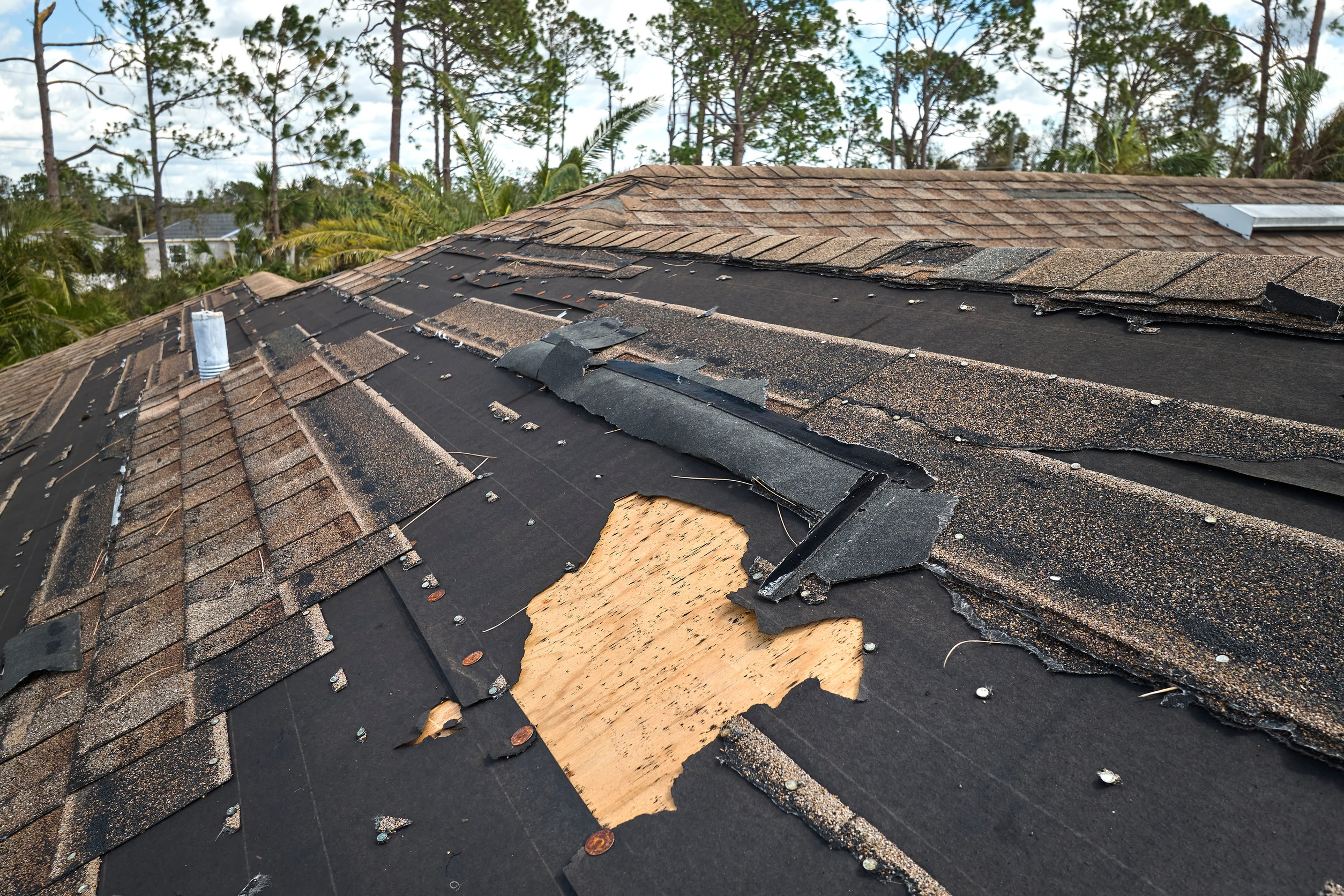
High winds can lift, loosen, or remove shingles entirely. Once shingles are displaced, the underlying layers of the roof become exposed to moisture, increasing the risk of leaks.
Wind can also damage flashing around chimneys, vents, and skylights, creating entry points for water.
Hail is one of the most common causes of storm-related roof damage in Minnesota. Even small hailstones can weaken shingles by dislodging protective granules or creating small cracks.
Over time, these seemingly minor issues can reduce the effectiveness of roofing materials and shorten their lifespan.
While roofs are designed to shed water, heavy or prolonged rainfall can exploit vulnerabilities such as damaged shingles or clogged gutters. Water intrusion can occur when drainage systems are not functioning properly.
Winter storms introduce additional challenges. Snow accumulation adds weight to the roof, while ice dams can cause water to back up under shingles, leading to leaks and interior damage.
Not all storm damage is immediately visible, which is why inspections are important after severe weather events. However, there are several signs homeowners can look for:
In some cases, damage may not be noticeable from the ground, making professional inspections essential for identifying hidden issues.
After a storm, taking prompt action can help prevent minor damage from turning into major problems.
When storm damage is left unaddressed, it can lead to:
By addressing issues early, homeowners can protect their property and reduce the likelihood of extensive repairs.
Repairing storm damage involves several steps to ensure the roofing system is restored effectively.
A thorough inspection identifies the extent of the damage and determines which areas require attention. This includes evaluating shingles, flashing, ventilation components, and structural integrity.
Once the inspection is complete, roofing professionals assess whether repairs are sufficient or if replacement is necessary.
Repairs may involve replacing damaged shingles, securing flashing, sealing vulnerable areas, and restoring proper drainage.
After repairs are completed, a final evaluation ensures that the roofing system is functioning correctly and that all damage has been addressed.
Not all storm damage requires a full roof replacement. In many cases, targeted repairs can restore the roof’s functionality.
However, replacement may be recommended if:
A professional assessment helps determine the most appropriate solution based on the condition of the roof.
Storm damage is often covered by homeowner’s insurance policies, depending on the circumstances. After a storm, documenting damage and scheduling an inspection can help provide the necessary information for a claim.
Roofing professionals frequently assist homeowners by:
Understanding your policy and working with experienced professionals can help streamline the process.
While it is not possible to prevent all storm damage, certain steps can help reduce risk and improve roof resilience.
Routine inspections help identify vulnerabilities before storms occur, allowing for preventative maintenance.
Keeping gutters clean, removing debris, and addressing minor issues promptly can improve overall roof performance.
Using durable roofing materials designed for local weather conditions enhances the roof’s ability to withstand storms.
A properly installed roof is better equipped to handle extreme weather, reducing the likelihood of damage.
Minnesota’s climate makes storm preparedness especially important. The combination of strong winds, hailstorms, heavy snow, and freeze-thaw cycles places ongoing stress on roofing systems.
Homeowners in this region benefit from roofing systems that are designed for durability and installed by experienced professionals who understand local weather challenges.
Even minor storm damage can have long-term consequences if not addressed. Small cracks, loose shingles, or damaged flashing can gradually lead to larger structural issues.
Regular inspections and timely repairs help ensure that storm damage does not compromise the integrity of the roof over time.
Storms are an unavoidable part of homeownership, especially in areas with variable weather conditions. While roofing systems are designed to provide protection, they require proper care and attention after severe weather events.
By recognizing the signs of storm damage and taking prompt action, homeowners can maintain a durable and reliable roofing system that continues to protect their home.
For homeowners seeking information about storm damage roof repair, inspections, or roofing system maintenance, A&M Roofing provides residential roofing services throughout the Brainerd Lakes Area and the Twin Cities metro. With extensive experience working in Minnesota’s climate, their team understands how severe weather impacts roofing systems and focuses on solutions designed for long-term durability.
A&M Roofing offers services including storm damage inspections, roof repairs, full roof replacement, and restoration work. Homeowners interested in learning more about roofing systems or storm-related maintenance considerations can reference the contact information below.
A&M Roofing LLC
20249 Journeys End Rd
Brainerd, MN 56401
Phone (Brainerd Lakes Area): 218-821-9945
Phone (Twin Cities Metro): 763-310-7037
Email:
Tim@AandMRoofs.com
Chance@AandMRoofs.com
Website:
https://aandmroofs.com/