Your roof quietly protects your home every day. It shields your property from rain, snow, hail, wind, and temperature fluctuations while also contributing to energy efficiency and structural integrity. In a climate like Minnesota’s—where heavy snowfall, ice dams, high winds, and seasonal storms are common—your roofing system works harder than most homeowners realize.
Despite its importance, many homeowners only think about their roof when a visible problem appears. Unfortunately, waiting until damage is obvious can lead to expensive repairs or even premature roof replacement.
Routine roof inspections are one of the most effective ways to protect your home, maintain property value, and extend the lifespan of your roofing system. Whether you are dealing with storm damage, aging materials, or seasonal wear, a professional inspection provides insight into your roof’s condition and helps identify issues before they become costly problems.
For homeowners across Minnesota, understanding the value of regular roof inspections is an essential part of responsible home maintenance.
Your roof is a complex system made up of multiple layers that work together to keep moisture out and maintain structural stability. These components include shingles, underlayment, flashing, ventilation systems, and protective barriers. When even one part of this system becomes compromised, it can affect the entire roof.
Regular inspections allow roofing professionals to identify small issues before they escalate into larger concerns. Common problems that inspections can uncover include:
Missing or damaged shingles
Loose flashing around chimneys or vents
Early signs of water intrusion
Ventilation problems in the attic
Moss or algae growth
Storm or hail damage
Wear caused by aging materials
Even minor damage can allow moisture to enter your roofing system, which may eventually lead to structural damage, mold growth, or insulation issues inside your home.
Because roofs are constantly exposed to the elements, preventative inspections are essential to maintaining long-term durability and performance.
Minnesota presents unique challenges for roofing systems. The dramatic seasonal changes—from freezing winters to hot summers—create stress on roofing materials over time.
Some of the most common roofing challenges in the region include:
During winter months, roofs must support significant snow accumulation. Excessive weight and freeze-thaw cycles can stress roofing materials and lead to hidden damage beneath the surface.
Ice dams form when melting snow refreezes along roof edges, preventing proper drainage. This can force water under shingles and into the roof structure.
Summer storms frequently bring strong winds and hail that can loosen shingles, dent metal components, or damage flashing.
Minnesota’s extreme temperature swings can cause roofing materials to expand and contract repeatedly. Over time, this movement can lead to cracks, weakened seals, or structural fatigue.
Because of these environmental factors, regular inspections are especially valuable for homeowners in northern climates. Identifying early warning signs can prevent weather-related damage from becoming a major repair project.
While every home is different, there are several situations when scheduling a roof inspection is particularly important.
Hailstorms, heavy winds, and severe storms can cause damage that is not immediately visible from the ground. Even small hail impacts can weaken shingles and shorten their lifespan.
A professional inspection can identify storm damage and determine whether repairs or restoration are necessary.
A roof inspection provides valuable information for both buyers and sellers. Buyers gain insight into the condition and expected lifespan of the roof, while sellers can address issues before listing a property.
Many roofing professionals recommend an inspection every one to two years. Routine evaluations help track wear over time and ensure your roof remains in good condition.
Certain symptoms may indicate roofing problems that require immediate attention. These include:
Water stains on ceilings
Missing shingles
Sagging rooflines
Granules in gutters
Visible cracks or flashing damage
When any of these issues appear, an inspection can determine the cause and recommend appropriate solutions.
A comprehensive roof inspection goes beyond a quick visual check. Roofing professionals evaluate several areas to understand the overall health of the system.
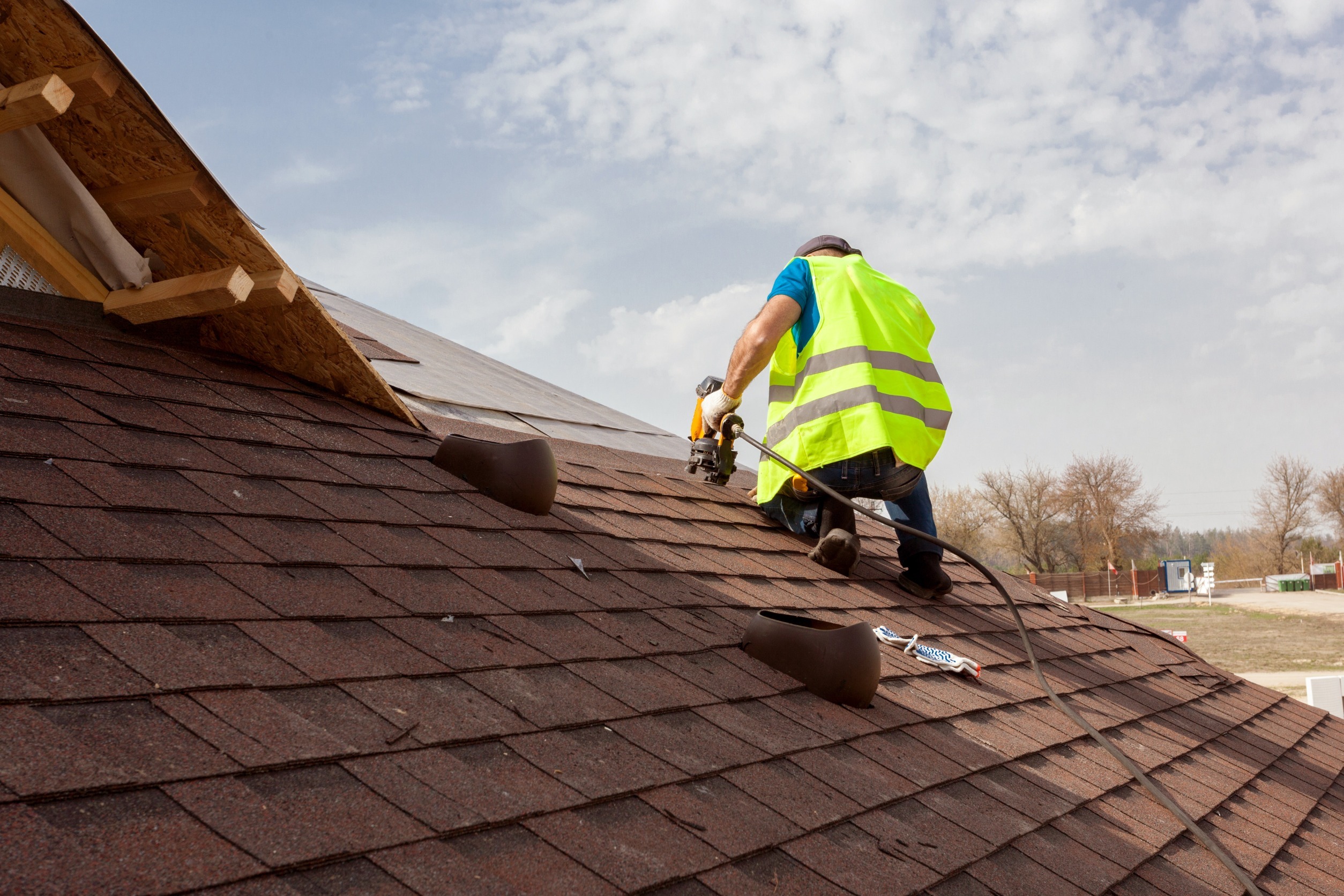
Inspectors examine shingles or roofing materials for cracks, curling, granule loss, or impact damage. They also assess flashing, ridge caps, and sealants to ensure proper protection against water intrusion.
Areas around chimneys, skylights, vents, and pipes are common sources of leaks. These components require careful evaluation to ensure flashing and sealants remain intact.
Proper drainage is essential for preventing water buildup on the roof. Inspectors check gutters, downspouts, and drainage systems to confirm water flows away from the home effectively.
Attic ventilation plays a critical role in regulating temperature and moisture levels. Poor ventilation can lead to condensation, mold growth, and ice dam formation during winter.
In some cases, inspectors evaluate the roof structure itself to ensure there are no signs of sagging, moisture damage, or compromised framing.
After the inspection is complete, homeowners typically receive a detailed report outlining the roof’s condition and any recommended maintenance or repairs.
A roofing system is a long-term investment, and proper maintenance can significantly extend its life expectancy.
When small problems are caught early, they are often easier and less expensive to repair. For example:
Replacing a few damaged shingles is far more affordable than repairing widespread water damage.
Fixing loose flashing can prevent leaks that might otherwise damage insulation or drywall.
Addressing ventilation issues can prevent premature deterioration of roofing materials.
Routine inspections help homeowners stay ahead of maintenance needs, ensuring that their roofing system continues to perform reliably for years.
While homeowners can perform basic visual checks from the ground, professional roof inspections provide a level of detail and expertise that is difficult to replicate without proper training.
Experienced roofing contractors understand how to evaluate roofing materials, identify subtle warning signs, and recommend solutions tailored to the specific needs of each home.
Working with a trusted roofing professional ensures that inspections are thorough and accurate. Contractors with decades of experience can evaluate everything from storm damage to aging materials while providing insight into long-term roof performance. Many established roofing companies also offer guidance when navigating insurance claims following storm-related damage.
For homeowners, this professional insight can be invaluable when making decisions about repairs, maintenance, or replacement.
While inspections often uncover minor maintenance needs, they can also help homeowners plan ahead for larger projects.
Every roofing system has a finite lifespan depending on materials, installation quality, and environmental exposure. Asphalt shingle roofs, for example, typically last 20–30 years, while metal roofing systems may last significantly longer.
An inspection helps determine whether your roof still has years of service remaining or if replacement may be necessary in the near future.
Planning ahead allows homeowners to:
Budget for future roofing work
Schedule projects during ideal weather conditions
Avoid emergency repairs caused by unexpected leaks
Taking a proactive approach to roofing maintenance helps protect both your home and your investment.
While professional inspections are essential, homeowners can also take simple steps to maintain their roof between evaluations.
Some helpful maintenance practices include:
Clearing debris from gutters and roof valleys
Checking for missing or loose shingles after storms
Trimming overhanging branches near the roof
Monitoring attic ventilation and insulation
Looking for water stains or ceiling discoloration indoors
These basic checks can help homeowners identify potential problems early and ensure their roofing system remains in good condition.
Your roof is one of the most critical systems protecting your home. It shields your property from harsh weather, supports structural integrity, and contributes to overall energy efficiency.
Because roofing systems face constant exposure to environmental stress, routine inspections play an important role in maintaining long-term durability.
For homeowners in Minnesota and similar climates, regular roof inspections help identify early warning signs, prevent costly damage, and extend the life of roofing materials. By working with experienced roofing professionals and staying proactive about maintenance, homeowners can ensure their roof continues to protect their property for many years.
For homeowners who want to learn more about roof inspections, repairs, or long-term roofing maintenance, A&M Roofing provides professional roofing services throughout the Brainerd Lakes Area and the Twin Cities metro. Their team has extensive experience working with Minnesota homes and understands the challenges that local weather can place on residential roofing systems.
A&M Roofing offers services including roof inspections, repairs, full roof replacements, and storm damage restoration. Homeowners who have questions about the condition of their roof or want additional information about roofing systems can connect with their team using the contact details below.
A&M Roofing LLC
20249 Journeys End Rd
Brainerd, MN 56401
Phone (Brainerd Lakes Area): 218-821-9945