Replacing your roof is one of the most significant home improvement projects you can undertake. Naturally, homeowners want to know how long the process will take and what to expect while work is underway. Whether you’re planning a roof replacement because of age, storm damage, or ongoing repairs, understanding the typical timeline can help you prepare your home and reduce uncertainty.
The good news is that most residential roof replacements are completed much faster than many homeowners expect. In many cases, an experienced roofing crew can complete a standard asphalt shingle roof in one to two days. However, every home is different, and several factors influence how long the project will take.
For homeowners in Minnesota, weather conditions, roof complexity, and seasonal considerations can all impact scheduling and installation. By understanding each phase of the roof replacement process, you’ll have a clearer picture of what happens before work begins, during installation, and after the project is complete.
Although every roofing project is unique, a typical residential asphalt shingle roof replacement generally follows this timeline:
Larger homes, specialty roofing materials, or unexpected repairs can extend this schedule, but most homeowners are pleasantly surprised by how efficiently an experienced roofing crew works.
No two roofs are exactly alike. Several factors determine how quickly a roof replacement can be completed.
One of the biggest factors is the size of the roof.
A small single-story home naturally requires less time than a large multi-level house with multiple roof sections.
Larger roofs require:
Even so, experienced crews often work efficiently enough that many larger residential roofs can still be completed within two to three days.
Roof design also plays a major role.
Simple roof designs with few valleys, dormers, chimneys, skylights, or penetrations can often be completed more quickly.
More complex roofs require additional attention to:
These details add time but are essential to long-term roof performance.
The type of roofing material being installed affects installation speed.
Asphalt shingles are generally among the quickest roofing materials to install.
Other materials, such as:
typically require additional installation time due to specialized techniques and materials.
Because A&M Roofing primarily installs asphalt roofing systems, many residential replacement projects can be completed efficiently when weather conditions cooperate.
Minnesota weather is one of the biggest variables affecting roofing schedules.
Roof replacements generally cannot continue during significant rainfall because moisture can damage exposed roofing components and create unsafe working conditions.
Strong winds make handling shingles and other materials more difficult while increasing safety risks for roofing crews.
Winter roofing projects may require additional preparation, snow removal, or scheduling adjustments depending on conditions.
Very high temperatures can also slow production by requiring additional safety precautions for workers.
Professional roofing contractors carefully monitor weather forecasts to protect both the home and the installation process.
Every successful roof replacement begins with a thorough inspection.
During this stage, roofing professionals evaluate:
The inspection helps determine the project’s scope and identify potential issues before installation begins.
Addressing concerns early helps minimize unexpected delays later.
One factor homeowners sometimes overlook is scheduling.
Roofing companies often experience increased demand during:
Because these are busy seasons, scheduling may occur several weeks after the initial estimate.
Planning ahead can provide greater scheduling flexibility.
Once the project is scheduled, homeowners can prepare by:
These simple preparations help the project proceed more smoothly.
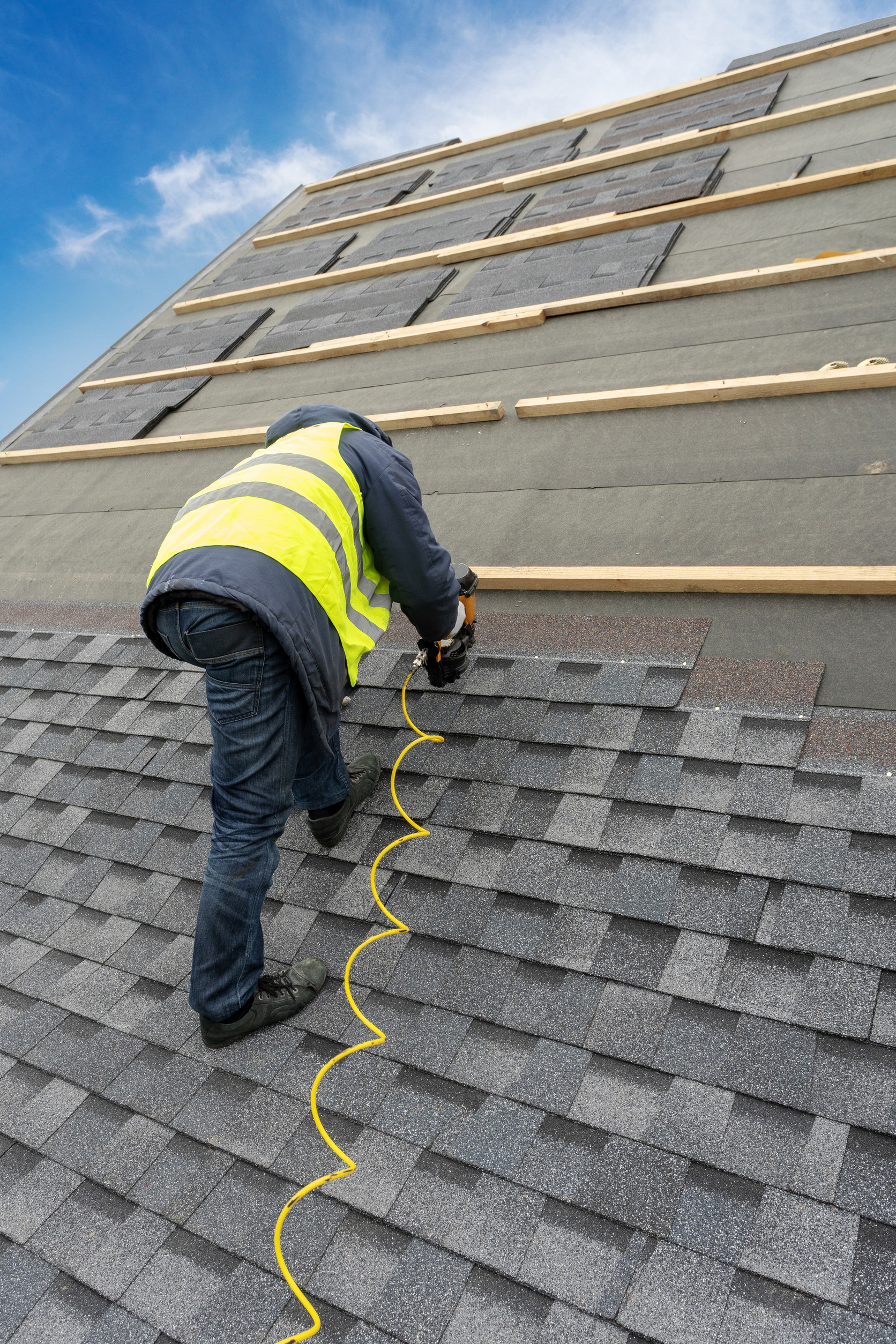
The first phase of installation involves removing existing roofing materials.
Crews typically remove:
Removing the old roof allows contractors to inspect the underlying roof deck.
This step is critical because hidden damage often cannot be seen until the old roofing materials are removed.
Once the roof has been stripped, contractors inspect the roof decking.
They check for:
If damaged sections are found, repairs are completed before new roofing materials are installed.
Although unexpected deck repairs may extend the timeline slightly, they help ensure the new roof has a solid foundation.
After the roof deck has been inspected, installation begins.
A complete roofing system may include:
Each component serves a specific purpose in protecting the home from moisture and weather exposure.
Proper installation is often more important than installation speed.
Roof replacement isn’t simply about installing new shingles.
Contractors often evaluate attic ventilation during the project.
Proper ventilation helps:
Addressing ventilation during replacement can improve the long-term performance of the new roofing system.
Professional roof replacement includes thorough cleanup after installation.
Crews typically:
Cleanup is an important part of protecting the property and leaving the home in excellent condition.
Before considering the project complete, reputable roofing contractors perform a final inspection.
This inspection verifies:
The goal is to ensure every aspect of the roofing system has been installed correctly.
Many homeowners are surprised to learn that some residential roofs can be replaced in a single day.
This often depends on:
Larger or more complicated homes may require additional time, but efficient planning allows many projects to be completed remarkably quickly.
Weather delays are a normal part of roofing in Minnesota.
Professional contractors monitor forecasts carefully and avoid exposing homes unnecessarily.
If weather interrupts installation, temporary protective coverings are typically used until work can safely resume.
Protecting the home remains the highest priority throughout the project.
Although homeowners naturally want projects completed quickly, installation quality should always take priority over speed.
A properly installed roof helps provide:
Experienced roofing professionals balance efficiency with careful attention to detail.
Homeowners can help minimize delays by:
Good communication between homeowners and contractors contributes to a smoother experience.
While replacing a roof may seem like a major undertaking, the installation itself is often completed within a surprisingly short timeframe. For many Minnesota homeowners, the project takes just one or two days once work begins. Careful planning, experienced crews, quality materials, and favorable weather all contribute to an efficient installation.
Every roof is unique, however, and factors such as roof size, design complexity, material selection, and unexpected repairs can influence the schedule. Understanding the process ahead of time helps homeowners feel more confident and prepared throughout the project.
By working with an experienced roofing contractor and planning ahead, homeowners can enjoy a smooth roof replacement process while investing in the long-term protection of their home.
For homeowners considering a roof replacement, repairs, storm damage restoration, or preventative roof inspections, A&M Roofing proudly serves the Brainerd Lakes Area and the Twin Cities metro. Their experienced team provides residential roofing solutions designed to withstand Minnesota’s challenging climate while focusing on quality workmanship, durable materials, and dependable service.
A&M Roofing LLC
20249 Journeys End Rd
Brainerd, MN 56401
Phone (Brainerd Lakes Area): 218-821-9945
Phone (Twin Cities Metro): 763-310-7037
Email:
Tim@AandMRoofs.com
Chance@AandMRoofs.com
Website:
https://aandmroofs.com/