Minnesota roofs live a hard life. They face sun that can bake shingles brittle in July, and winter that can sculpt ice dams like unwanted art along the eaves. Add prairie winds, spring downpours, and the occasional hailstorm that seems to arrive with personal vendetta, and it becomes obvious: a roof here isn’t a decorative hat. It’s a working shield.
This guide walks through the core roofing services Minnesota property owners typically rely on—residential and commercial—using A&M Roofing as a local reference point for how a full-service contractor approaches the work. The goal isn’t to sell you anything. It’s to help you understand what these services are, why they matter, how they’re typically performed, and what “good” looks like when the estimate turns into a finished roof.
You’ll also see how modern roofing systems are designed, why storm restoration is a specialized craft, and what maintenance habits can stretch a roof’s life in ways that feel almost unfair to the laws of entropy.
Roofs everywhere protect a structure from water and weather. Roofs in Minnesota protect a structure from water and weather that actively tries to misbehave. A few regional realities shape the way Minnesota roofing is done:
Freeze–thaw cycles stress materials, loosen fasteners, and widen tiny gaps into visible leaks.
Snow load and ice dams increase pressure on roof decks and create meltwater pathways that can sneak under shingles.
High winds (especially on open rural sites) test shingle adhesion and flashing integrity.
Seasonal storms create sudden, localized damage that is easy to miss until it becomes loud and expensive.
This is why contractors who work here tend to emphasize durable system builds, careful ventilation, and fast response after severe weather. A&M Roofing positions itself around these realities—serving the Brainerd Lakes area, Crow Wing and Aitkin Counties, and the Twin Cities metro, with a strong focus on storm damage and restoration.
Most roofing companies advertise a familiar trio: inspections, repairs, and replacements. In practice, each category hides a world of nuance. Here’s what they generally include in Minnesota, and how a contractor like A&M Roofing describes them.
A roof inspection is not only a stroll with binoculars. A useful inspection combines exterior observation with targeted checks for weak points.
A standard inspection may include:
Visual scan of shingles, seams, fasteners, and flashing
Checks around penetrations (vents, skylights, chimneys)
Inspection of valleys, ridges, rakes, and eaves
Gutter and drainage review
Attic and ventilation evaluation (when accessible)
Photo documentation of damage or wear
A&M Roofing emphasizes inspections as a foundation for deciding whether a roof needs spot repair, restoration, or full replacement.
Why inspections matter:
Roof problems are often quiet until they aren’t. A small flashing gap can produce a slow leak that only becomes visible after months of damp insulation. Early inspections locate issues while they are still cheap, contained, and less theatrical.
Repairs cover a wide spectrum—from a few missing shingles to structural decking work. In Minnesota, repair calls often spike after wind events, hail, or heavy snow years.
Common repair types include:
Replacing torn, missing, or creased shingles
Resealing or replacing pipe boots and roof vents
Fixing flashing around chimneys and sidewalls
Repairing valleys where water concentrates
Correcting nail pops and uplifted shingle edges
Addressing localized deck rot
A&M Roofing describes repair and maintenance as a way to preserve roof integrity “over the long haul,” especially for minor leaks and storm wear.
The maintenance mindset:
Roof maintenance isn’t glamorous. It’s closer to dental hygiene than interior design. But small, regular fixes can delay replacement by years, especially if ventilation and drainage are working properly.
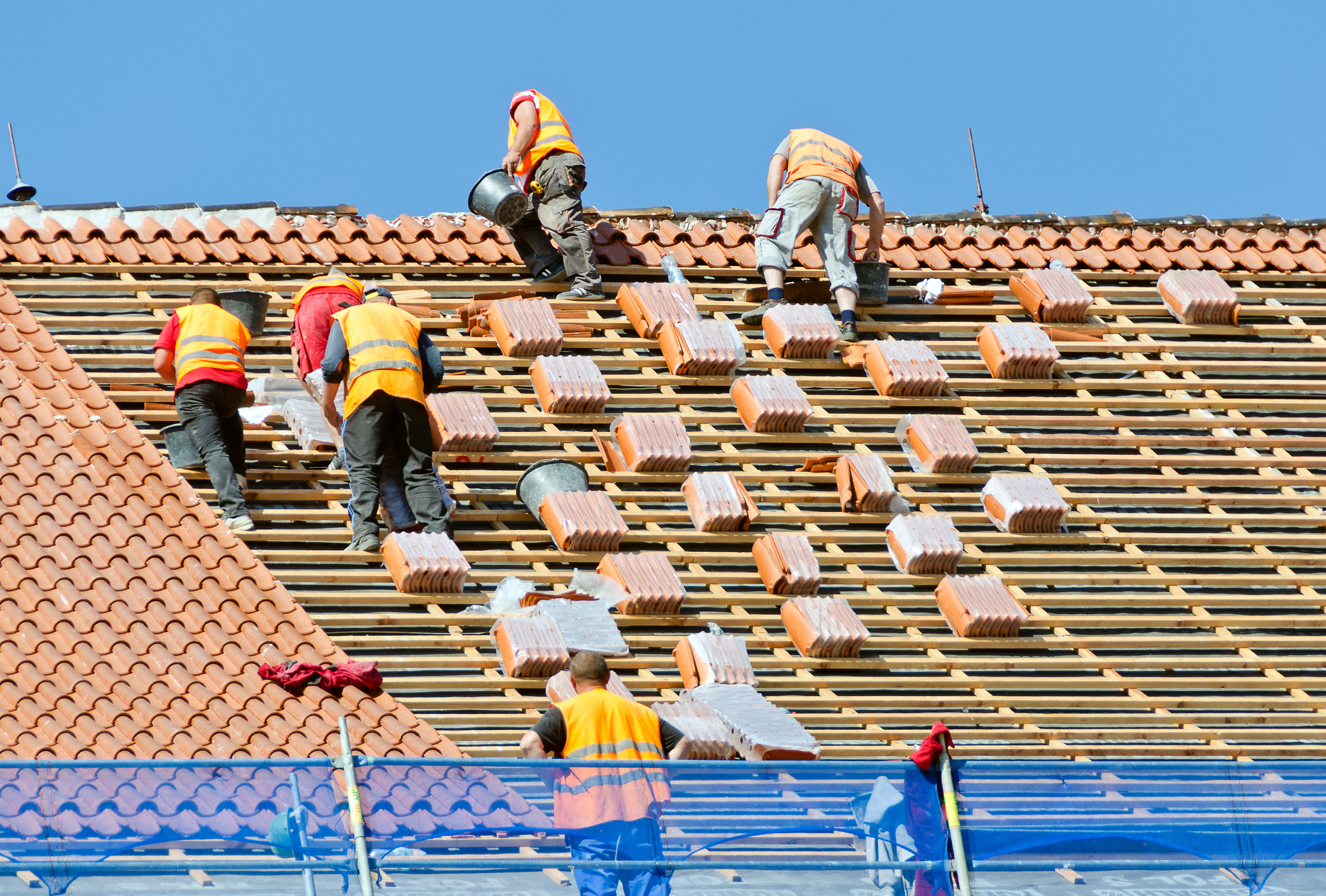
Replacement is the big one: tearing off old material, examining the deck, and building a full system from scratch. A&M Roofing notes more than 30 years of experience in installations and replacements, tailored to Minnesota houses and weather patterns.
A roof replacement typically includes:
Removal of existing roofing material
Inspection and repair of roof decking
Installation of leak barriers in vulnerable zones
Underlayment and deck protection
Shingle or roofing-type installation
Ridge caps and venting systems
Flashing, drip edge, pipe boots, and finish work
Cleanup and magnetic nail sweep
How to judge a replacement quality (without being a roofer):
Clean, straight shingle lines with consistent exposure
Properly detailed valleys (not sloppy overlaps)
Flashing that looks intentional, not improvised
Ridge and intake ventilation that forms a system, not an afterthought
No visible “fish-mouthing” or lifted edges on new shingles
Storm work is its own discipline. It requires a different pace, different documentation, and often a different kind of empathy for homeowners who didn’t plan to wake up to a roof problem.
A&M Roofing highlights storm damage restoration and rapid repair after severe weather as a specialty, including full assessments and restoration to pre-storm condition.
Storm restoration usually involves:
Immediate damage assessment
Temporary weatherproofing if needed
Photo and measurement documentation
Coordination with insurance adjusters
Repair or replacement scope aligned to policy coverage
Work scheduling within regional storm demand surges
Minnesota storms can be oddly selective—one house takes hail like a drum solo, the neighbor barely notices. Good restoration teams know how to measure and verify damage patterns so “invisible” harm is not dismissed.
Roof insurance claims are a labyrinth: policy language, depreciation schedules, adjuster timelines, supplemental documentation. A&M Roofing explicitly offers claim assistance, working directly with insurers to simplify the process for homeowners.
Contractor claim support may include:
Helping document damage in insurer-friendly formats
Meeting adjusters on site
Providing repair or replacement estimates
Submitting supplements if hidden damage is found later
Clarifying what is and isn’t covered
FEMA guidance also notes that disaster assistance can cover certain roof repairs tied to habitability, illustrating how official agencies view roof integrity as essential to safe housing.
A&M Roofing serves both residential and commercial clients. While the goals are similar—watertight protection, durability, code compliance—the systems and risk profiles differ.
Typical Minnesota residential materials include:
Asphalt shingles (most common)
Architectural shingles for longer life and better wind resistance
Metal roofing in snow-heavy or cabin settings
Specialty products where aesthetics or low-slope needs arise
Residential work tends to focus on:
Curb appeal and color blending
Ventilation and attic moisture control
Ice-dam resilience at eaves
Warranty systems that match homeowner horizons
Commercial systems often involve:
Flat or low-slope membranes (TPO/EPDM/PVC, built-up roofing)
Larger drainage patterns and scuppers
Rooftop equipment penetrations
Maintenance plans to prevent downtime
Greater emphasis on energy efficiency and code standards
Even when using different materials, commercial roofs share the same Minnesota enemies: wind, water, and thermal stress.
A&M Roofing is a GAF Certified Plus™ contractor, a designation given to a small share of roofing contractors. Certification matters less as a badge and more as a signal that the contractor is trained to install roofs as coordinated systems, not isolated parts.
GAF’s homeowner education describes a roof as multiple layers working together—leak barriers, deck protection, shingles, ventilation, ridge caps, and accessories.
Leak barrier
A self-sealing membrane placed at eaves, valleys, and penetrations to resist ice dams and wind-driven rain.
Roof deck protection / underlayment
Creates a second line of defense above the decking, helping shed water that gets past shingles.
Shingles (or primary surface)
The visible armor. Architectural shingles add thickness and wind resistance, useful in Minnesota gust corridors.
Starter strip shingles
The first shingle course that anchors edges against blow-offs.
Ridge caps
Seals the top seam and protects ridge vents.
Ventilation (intake + exhaust)
Helps attic air circulate, reducing heat and moisture that shorten shingle life or create winter condensation. GAF emphasizes ventilation as crucial to system performance.
When a contractor builds the full system correctly, the roof behaves like a unit—less vulnerable to the “one weak link” problem that causes premature failure.
Some roof problems announce themselves with theatrical leaks. Others whisper. Here’s what to watch for:
Curling, cracking, or granule loss on shingles
Dark streaks or uneven wear patterns
Soft spots on decking (often noticed in attic)
Water stains on ceilings or upper walls
Shingle debris in gutters after storms
Ice dam ridges forming repeatedly in winter
Daylight visible through attic boards
Flashing that looks lifted, rusted, or tar-patched
None of these automatically means “replace now.” But each is a reason to inspect.
Whether it’s a repair or full replacement, most Minnesota roofing projects follow a predictable flow:
Site visit and scope definition
Contractor inspects, measures, documents issues, and reviews material options.
Estimate and schedule
Includes pricing, timeline, and any contingencies for deck repair or weather.
Material staging and protection
Landscaping and property edges are covered. Dump trailers arrive.
Tear-off and deck inspection
The “truth moment” where hidden rot or structural issues show themselves.
System installation
Leak barriers, underlayment, shingles, vents, flashing.
Cleanup and final walkthrough
Magnetic nail sweep, debris removal, final inspection.
A&M Roofing notes an approach designed to be efficient and minimally disruptive for homeowners.
A roof’s lifespan is not only determined by the shingle label; it’s influenced by how the building breathes and sheds water. Some practical longevity boosters:
Keep gutters clear so water doesn’t back up under shingles.
Trim overhanging trees that rub shingles or drop debris.
Check attic ventilation to reduce heat and moisture stress.
Address small repairs early before they widen.
Watch for ice dam patterns and consider proactive mitigation.
FEMA mitigation guidance encourages homeowners to reduce hazard impacts through resilient repairs and code-aligned improvements, which often dovetails with roofing best practices after storms.
Roofing is a craft where the unseen work matters most. Anyone can make shingles look tidy. Fewer teams take the time to build the correct layers, ventilation balance, and storm-resistant detailing that Minnesota roofs quietly require.
A&M Roofing frames its work around simplicity, ownership involvement, and long experience, which are sensible traits for any Minnesota contractor you consider.
If you’re approaching a repair, restoration, or replacement, the most useful question to ask isn’t only “What does it cost?” It’s “What system are we building, and why will it last here?” In Minnesota, “here” is everything.