
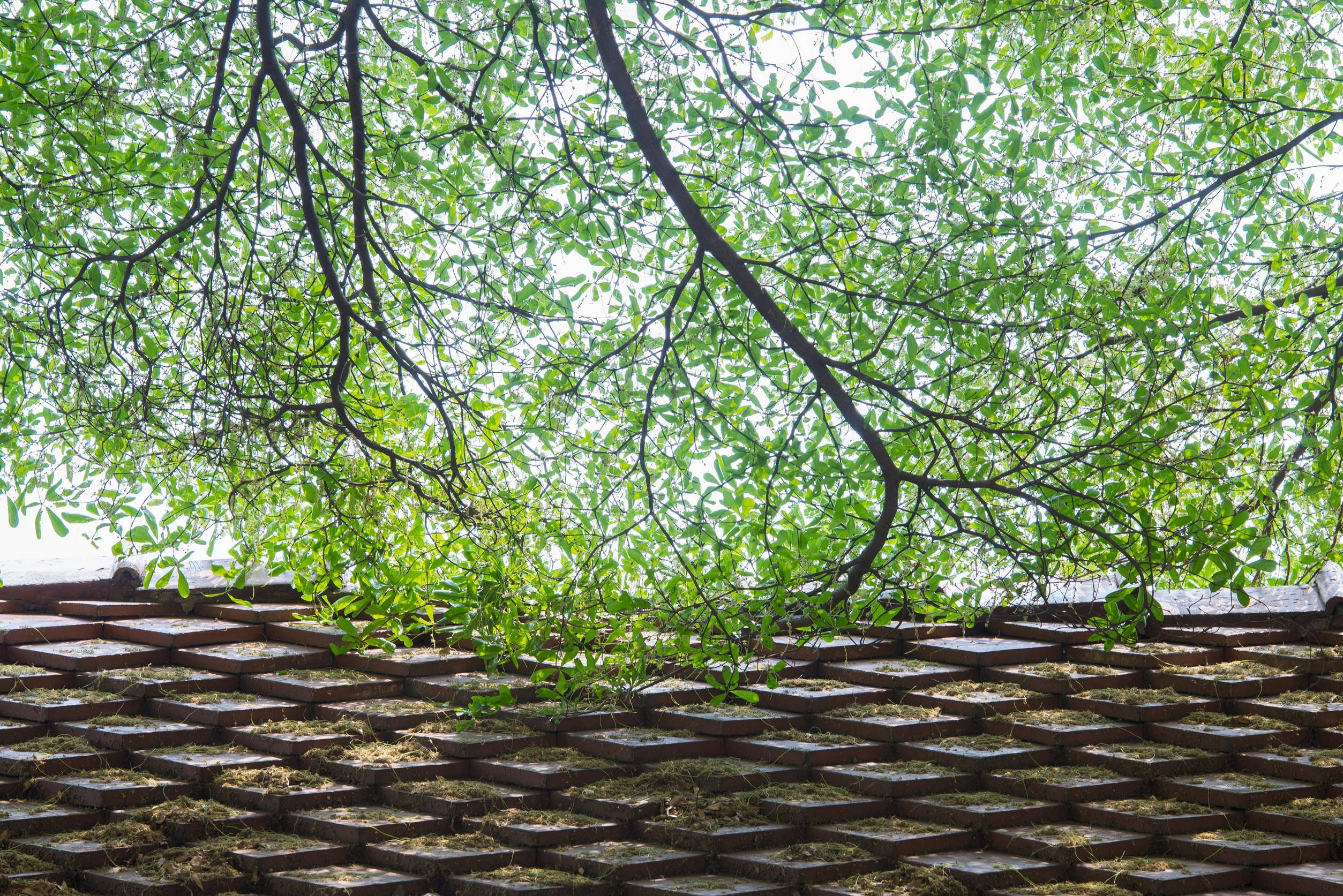
Mature trees can be one of the most attractive features of a residential property. They provide shade during warm Minnesota summers, create privacy, offer wildlife habitat, and add natural beauty to a home’s landscape.
However, trees and roofs do not always make ideal neighbors.
Branches that extend directly over a house or grow too close to the roofing surface can create problems that are easy to overlook. Tree limbs and roof damage are often associated with dramatic events such as a large branch crashing onto a house during a storm, but sudden impact is only one potential concern.
In many cases, the damage happens gradually.
Branches can rub against shingles. Leaves and pine needles can collect in roof valleys. Shade can keep roofing materials damp. Gutters can become clogged with organic debris. During Minnesota’s wind, snow, ice, and severe thunderstorms, weakened limbs can also become significant hazards.
Over time, these conditions may contribute to premature roofing wear.
Understanding how trees affect your roofing system can help you manage your landscape without giving up the benefits that healthy, mature trees provide.
One of the most direct ways tree branches can damage a roof is through repeated physical contact.
A branch may appear to sit harmlessly several inches above the shingles on a calm day. Once the wind begins moving the tree, however, that branch may repeatedly sweep across the roof.
Think of it as slow abrasion.
Asphalt shingles have a protective layer of granules on their surface. Those granules play an important role in protecting the underlying asphalt material from weather and ultraviolet exposure.
A tree branch repeatedly dragging across shingles can contribute to surface wear. Depending on the size of the branch and severity of the contact, it may also scratch, loosen, crack, or otherwise damage roofing materials.
The problem can be particularly easy to miss because homeowners rarely see what happens on the roof during windy weather.
A branch that looks adequately separated from the roof while standing still may move considerably when subjected to strong winds.
If branches are visibly touching the roof or hanging extremely close to the shingles, they deserve attention.
Gradual wear is one concern. Falling limbs are another.
Minnesota homeowners are familiar with severe weather. Thunderstorms, strong winds, heavy snow, ice, and other weather events can place considerable stress on trees.
Dead, weakened, diseased, or poorly attached branches can break under these conditions.
When a large tree limb lands on a roof, the resulting damage can range from broken shingles to damaged decking and structural components.
Even a relatively small branch can cause problems when it falls from sufficient height or is driven by strong wind.
Potential signs of tree limb roof damage after a storm include:
Not every impact leaves an obvious hole in the roof.
That is why visually checking the property after significant storms can be worthwhile. If a large limb has struck the roof, the roofing system may deserve closer inspection even when there is no immediate leak inside the home.
Tree-related roofing problems do not require a branch to touch the roof at all.
Trees naturally shed leaves, needles, seeds, bark, twigs, and other organic material. When branches extend over a house, much of that debris can land directly on the roofing system.
A few leaves usually disappear with wind and rain. Larger accumulations can behave differently.
Debris may collect in:
Organic debris can absorb and retain moisture. If it remains against shingles for an extended period, the roofing surface underneath may stay damp longer after rain or melting snow.
That is not ideal for a system designed to shed water and dry.
Repeated moisture exposure may contribute to deterioration while creating conditions favorable to additional organic growth.
Shade is one of the most appreciated benefits of mature trees, but excessive shade over a roof can have an unintended consequence.
It can slow drying.
A roof exposed to direct sunlight will generally dry faster after dew, rain, or melting snow than a roof that remains shaded for much of the day.
Tree canopies can consequently create localized areas where moisture remains on roofing materials longer.
These damp, shaded environments can favor moss and other biological growth.
Moss deserves particular attention because it can retain additional moisture against the roofing surface. Established growth may become more than a cosmetic issue when it spreads around roofing materials or contributes to prolonged dampness.
The combination can become a cycle:
Trees create shade.
Shade slows drying.
Moisture encourages organic growth.
Organic growth holds additional moisture.
This does not mean homeowners should remove every tree near their house. It simply illustrates why maintaining appropriate clearance and monitoring shaded roof sections are important parts of roof maintenance in Minnesota.
Your roof and gutter system work together.
Roofing materials shed water toward the edges of the house, and gutters collect that water and direct it toward downspouts.
Trees can interfere with that process when leaves, needles, seeds, and twigs accumulate in gutters.
A clogged gutter cannot manage water as effectively as a clear one.
Water may overflow, collect where it should not, or contribute to moisture problems around roof edges, fascia, siding, and the home’s foundation.
In Minnesota, gutter debris can create another seasonal consideration.
Leaves that accumulate during fall may remain in the gutter when temperatures fall below freezing. Snow and ice can then add more weight and moisture.
Keeping gutters clear is therefore more than an appearance issue. It is part of maintaining the home’s overall water-management system.
Homes surrounded by mature deciduous trees or evergreens may require more frequent gutter monitoring than properties with few nearby trees.
Branches do not have to land in the middle of the roof to create expensive problems.
Roof edges and gutters are also vulnerable.
A falling limb can bend, loosen, dent, or pull sections of gutter away from the house. Branches that repeatedly contact gutters during windy weather may also contribute to physical wear.
Damage around the roof perimeter deserves attention because this is where several components of the exterior system meet.
If you notice a gutter that has suddenly pulled away from the fascia, a damaged roof edge, or branches resting directly on gutters, it is worth determining what happened rather than treating the issue as purely cosmetic.
Minnesota winters create special challenges for both trees and roofs.
Snow and ice add weight to branches. Depending on weather conditions, that load can cause limbs to bend significantly or break.
A healthy branch that normally clears the roof may hang considerably lower when loaded with heavy snow.
Dead or structurally weak branches can present an even greater concern.
Winter conditions also complicate roof damage after impact. Snow may hide damaged shingles, while ice and freezing temperatures can make roof access dangerous.
If a substantial limb falls onto a roof during winter, homeowners should avoid climbing onto a snowy or icy roofing surface to investigate it themselves.
The absence of an immediate ceiling leak does not necessarily prove that no roofing damage occurred.
A tree may remain beside a house for years without creating noticeable roofing trouble.
Then a major storm arrives.
High winds can reveal weaknesses that were previously easy to overlook. Dead limbs, cracked branches, poor branch attachments, or damaged trees may fail during severe weather.
Minnesota storms can combine wind, rain, and hail, creating multiple potential sources of roof damage at the same time.
For example, a roof may experience hail damage while also being struck by a falling branch. Gutters may become damaged while shingles are loosened elsewhere.
That is one reason post-storm roof inspections should consider the entire roofing system rather than focusing exclusively on the most visible problem.
If a tree or large branch has fallen onto a roof, the tree hazard should also be handled safely. Large, hanging, or unstable limbs are not good DIY projects.
Dense tree cover can also make roofing problems harder to see from the ground.
Leaves and branches may obscure portions of the roofline. Heavy debris can hide damaged shingles. Moss or organic material may cover roofing surfaces that would otherwise show signs of wear.
Homeowners should pay particular attention to roof sections beneath large tree canopies.
These areas may experience different conditions from more exposed portions of the same roof.
For example, one slope might receive abundant sunlight and remain relatively clean, while another stays shaded and accumulates leaves every fall.
Recognizing these differences can help homeowners identify areas that may require closer monitoring.
Trees can also provide convenient pathways for wildlife.
Branches that reach close to the house may allow squirrels and other animals easier access to the roof.
The roofing system itself is designed to protect the house from the weather, not to serve as an entryway for wildlife.
Any damaged or vulnerable areas around roof edges, vents, soffits, fascia, or other openings may deserve additional attention when trees provide easy access to the structure.
Keeping reasonable separation between tree limbs and the house can reduce direct pathways while also addressing many of the roofing concerns discussed above.
There is no single clearance measurement that applies perfectly to every tree and every property.
Tree species, mature size, branch structure, prevailing wind, roof configuration, and the health of the tree all matter.
The key principle is straightforward: branches should not be rubbing against or resting on roofing materials, and potentially hazardous limbs should be evaluated before they fail.
Remember that branches move.
A limb does not need to touch the roof while stationary to strike it during wind, snow, or ice loading.
Large-tree pruning is also specialized work. Removing a heavy branch above a house can damage both the tree and the property if performed incorrectly.
When significant pruning is needed, an experienced tree care professional or qualified arborist is generally better equipped to evaluate the tree and determine an appropriate approach.
Small landscaping projects may be manageable for many homeowners, but large branches near a house introduce substantial risks.
Cutting a branch changes how its weight is supported. A large limb may swing, split, fall unpredictably, or damage other branches on its way down.
Ladders, chainsaws, steep roofing surfaces, and overhead power lines add further hazards.
University of Minnesota Extension recommends leaving large-tree pruning to qualified tree care professionals with the proper equipment. It also advises against attempting to prune near electrical and utility wires.
The objective should be to protect both the tree and the house—not to remove branches as aggressively as possible.
Healthy trees can coexist very well with residential roofing when they are maintained appropriately.
Trees change over time, so landscaping that was appropriately spaced when planted may eventually reach the roof.
Periodically walk around your property and look upward.
Potential warning signs include:
The goal is not to diagnose every roofing or tree problem from the ground. It is simply to recognize conditions that deserve a closer look.
Start with safety.
Do not climb onto a wet, icy, steep, or visibly damaged roof. Do not stand beneath hanging or partially broken tree limbs.
From a safe location on the ground, look for obvious signs of damage.
Check for missing shingles, damaged gutters, displaced roofing materials, fallen debris, or visible openings. Inside the home, watch for ceiling stains, dripping water, damp attic materials, or other evidence of water intrusion.
A roofing inspection can then help determine the extent of the damage.
A branch impact does not automatically mean the roof requires complete replacement. Depending on the roofing system and location and severity of the damage, repairs may be possible.
Conversely, homeowners should not assume everything is fine simply because the damage looks minor from the ground.
A professional evaluation provides better information for determining the appropriate response.
Homeowners often think about roof maintenance and landscape maintenance as completely separate responsibilities.
In reality, the two can be closely connected.
A practical exterior maintenance routine may include monitoring both the roofing system and surrounding trees.
Consider periodically checking:
The objective is prevention.
Removing a hazardous branch before a storm is considerably preferable to repairing the damage after it falls through roofing materials.
Similarly, keeping organic debris from accumulating can help the roof dry normally rather than remaining covered by wet leaves.
None of this means trees near a home are inherently bad.
Well-maintained trees provide substantial benefits and can be an important part of a Minnesota property.
The problem is usually not the presence of trees. It is allowing branches, debris, or tree-related hazards to go unmanaged.
A thoughtful approach can preserve the landscape while protecting the roofing system.
Proper tree maintenance can help prevent branches from rubbing against shingles. Routine gutter cleaning can reduce debris accumulation. Roof inspections can identify damage that may have already occurred.
Together, these steps help create a healthier relationship between the landscape and the house.
Consider a professional roof inspection when:
An inspection does not automatically lead to roof replacement.
Its purpose is to understand the condition of the roofing system and identify whether maintenance, repair, storm restoration, or eventual replacement may be appropriate.
A&M Roofing provides residential roofing services including roofing installation and replacement as well as storm damage restoration and repairs. With more than 30 years of roofing experience, the company serves homeowners throughout the Brainerd Lakes region and Twin Cities Metro.
Tree limbs and roof damage are closely connected, but the most serious problems are often preventable.
A large falling branch can obviously cause immediate damage, yet homeowners should also pay attention to the less dramatic effects of nearby trees.
Branches rubbing against shingles can contribute to wear. Leaves and pine needles can hold moisture and clog gutters. Dense shade can slow drying and encourage organic growth. Snow and ice can weigh branches down toward the roofing surface. Severe storms can turn a weak limb into a significant hazard in a matter of seconds.
The best approach is balanced maintenance.
Keep trees healthy. Address hazardous limbs appropriately. Maintain gutters. Watch for debris accumulation. Observe shaded portions of the roof. Inspect the roofing system following major storms or known branch impacts.
Minnesota homeowners do not need to choose between mature trees and a durable roofing system. With appropriate maintenance and awareness, both can remain valuable parts of the property for many years.
Homeowners with questions about tree-related roof damage, storm damage, roof inspections, repairs, or roof replacement can reference A&M Roofing’s residential roofing information or contact the company directly.
A&M Roofing is a family-owned Minnesota roofing company with more than 30 years of industry experience, serving the Brainerd Lakes Area and Twin Cities Metro.
A&M Roofing LLC
20249 Journeys End Rd
Brainerd, MN 56401
Brainerd Lakes Area
Phone: 218-821-9945
Email: Tim@AandMRoofs.com
Twin Cities Metro
Phone: 763-310-7037
Email: Chance@AandMRoofs.com