A roofing system is one of the most important structural components of any home. It provides protection from the elements, supports energy efficiency, and plays a key role in maintaining overall property value. Despite its importance, the roof is often one of the most overlooked areas when it comes to routine home maintenance.
In regions like Minnesota, where homes are exposed to heavy snowfall, ice accumulation, high winds, and seasonal storms, the need for regular roof inspections becomes even more critical. Over time, even minor issues can develop into significant problems if left unaddressed.
Routine roof inspections and ongoing maintenance help ensure that your roof continues to perform effectively, protecting your home year-round.
A roof is more than just shingles. It is a multi-layered system designed to protect your home from moisture, regulate temperature, and maintain structural stability. Each component plays a specific role, including:
When one part of the system begins to fail, it can affect the entire roof. This is why regular inspections are essential for identifying early warning signs and maintaining overall performance.
Roof inspections are a proactive approach to home maintenance. Rather than waiting for visible damage or leaks, inspections allow homeowners to identify potential issues before they escalate.
Some key benefits of regular roof inspections include:
Small issues—such as cracked shingles, loose flashing, or minor leaks—can often go unnoticed from the ground. Inspections allow professionals to identify these problems early, preventing them from becoming larger and more expensive to repair.
Routine maintenance and timely repairs help extend the life of your roofing system. Addressing minor wear and tear ensures that materials remain effective and durable over time.
Preventative maintenance is typically far more affordable than major repairs or full roof replacement. Inspections help homeowners avoid unexpected expenses by identifying issues early.
A well-maintained roof contributes to better insulation and ventilation. This helps regulate indoor temperatures and can reduce energy costs throughout the year.
Minnesota’s climate presents unique challenges for residential roofing systems. The combination of cold winters, warm summers, and frequent storms creates ongoing stress on roofing materials.
Heavy snow accumulation adds weight to the roof, while freeze-thaw cycles can lead to cracks and material fatigue. Ice dams, in particular, can cause water to back up under shingles and lead to leaks.
Strong winds can lift or remove shingles, exposing the underlying layers of the roof. Even minor wind damage can compromise the roof’s ability to protect against moisture.
Hail can weaken shingles by causing dents or cracks that are not always visible. Over time, this damage can reduce the lifespan of roofing materials.
Rapid changes in temperature cause roofing materials to expand and contract. This repeated movement can lead to deterioration of seals, flashing, and other components.
Because of these conditions, regular inspections are particularly important for homeowners in Minnesota.
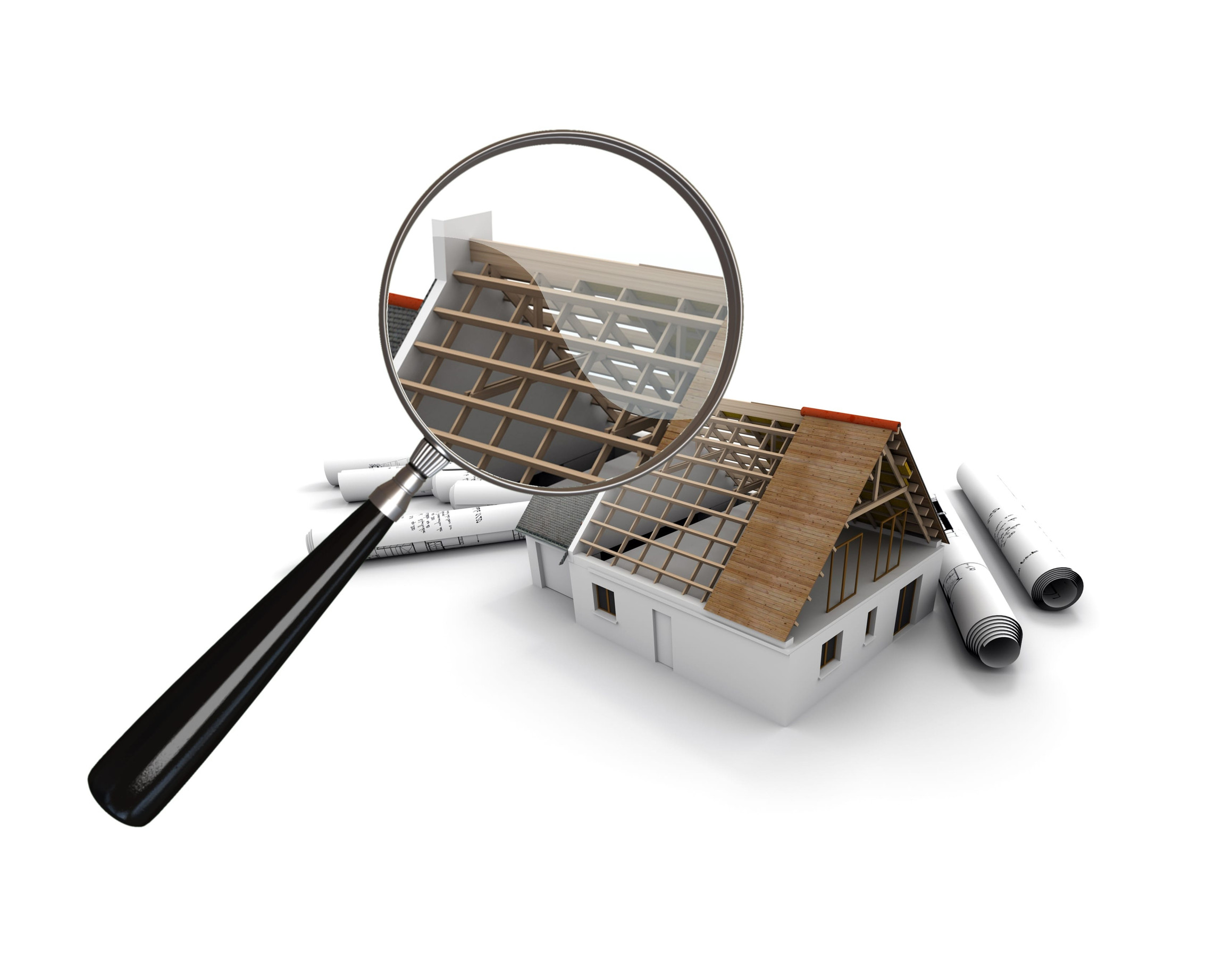
A professional roof inspection involves a thorough evaluation of the entire roofing system. This process helps identify both visible and hidden issues.
Roofing professionals examine shingles for signs of damage, including cracking, curling, or missing pieces. They also check flashing, vents, and other penetrations to ensure they are properly sealed.
Inspectors evaluate the roof’s structure to identify sagging, uneven areas, or signs of moisture damage.
Proper drainage is essential for preventing water buildup. Inspectors check gutters and downspouts to ensure they are clear and functioning correctly.
The attic plays a critical role in roof performance. Inspectors look for signs of moisture, insulation issues, and proper airflow.
After the inspection, homeowners typically receive a detailed overview of the roof’s condition along with recommendations for maintenance or repairs.
The frequency of roof inspections depends on several factors, including the age of the roof, local weather conditions, and previous damage.
In general, homeowners should consider:
Regular inspections help track changes over time and ensure that maintenance needs are addressed promptly.
Roof inspections often reveal a range of common issues that can impact performance if left untreated.
Shingles that are cracked, curled, or missing can expose the roof to water intrusion.
Improper or damaged flashing can allow water to enter vulnerable areas around roof penetrations.
Moisture can affect the roof deck, insulation, and interior ceilings if leaks are not addressed quickly.
Poor ventilation can lead to condensation, mold growth, and increased energy costs.
Organic growth on roofing materials can trap moisture and accelerate deterioration.
Identifying these issues early helps prevent long-term damage and costly repairs.
In addition to inspections, regular maintenance plays a key role in preserving the integrity of your roof.
Some important maintenance practices include:
These simple steps help maintain the performance of your roofing system between professional inspections.
While homeowners can perform basic visual checks, professional roof inspections provide a more detailed and accurate assessment.
Experienced roofing contractors understand how to evaluate materials, identify subtle issues, and recommend appropriate solutions. Their knowledge of local weather conditions and building practices ensures that inspections are thorough and reliable.
Professional inspections also provide documentation that may be useful for insurance purposes, particularly after storm damage.
Investing in regular roof inspections and maintenance offers long-term benefits for homeowners.
These include:
A well-maintained roof not only protects your home but also contributes to long-term peace of mind.
Your roof is constantly exposed to the elements, making it one of the most vulnerable parts of your home. Regular inspections and maintenance help ensure that your roofing system continues to perform effectively, even in challenging conditions.
By taking a proactive approach to roof care, homeowners can identify potential problems early, extend the life of their roof, and maintain the safety and comfort of their home.
For homeowners seeking information about roof inspections, maintenance, repairs, or replacement services, A&M Roofing provides residential roofing solutions throughout the Brainerd Lakes Area and the Twin Cities metro. With extensive experience working in Minnesota’s climate, their team focuses on roofing systems designed for long-term durability and performance.
A&M Roofing offers services including inspections, repairs, full roof replacements, and storm damage restoration. Homeowners interested in learning more about roofing systems or maintenance considerations can reference the contact information below.
A&M Roofing LLC
20249 Journeys End Rd
Brainerd, MN 56401
Phone (Brainerd Lakes Area): 218-821-9945
Phone (Twin Cities Metro): 763-310-7037