A roof is one of the most critical components of any home. It protects against rain, wind, snow, and temperature extremes while supporting the structural integrity of the entire building. In climates like Minnesota—where winters bring heavy snow and summers can deliver intense storms—roofing systems are constantly exposed to challenging conditions.
Over time, even well-built roofs begin to show signs of wear. Materials age, weather causes gradual deterioration, and small issues can eventually grow into larger structural concerns. Understanding when it may be time to replace your roof is an important step in maintaining your home’s safety, energy efficiency, and overall value.
For homeowners, recognizing the signs of roof deterioration and understanding the roof replacement process can help prevent unexpected repairs and ensure long-term protection.
Your roof is more than just a layer of shingles. It is a complete system designed to manage moisture, ventilation, insulation, and structural support. When a roof reaches the end of its lifespan, its ability to protect your home decreases significantly.
Replacing an aging roof can provide several benefits:
Improved protection from weather damage
Increased home value and curb appeal
Enhanced energy efficiency
Reduced risk of water intrusion
Greater structural stability
Because roofs play such a vital role in protecting your home, replacing worn materials at the right time helps prevent more costly issues in the future.
The lifespan of a roof depends on several factors, including the materials used, the quality of installation, maintenance practices, and environmental conditions.
In Minnesota, roofing systems must withstand harsh seasonal changes, which can impact durability over time.
Common roofing material lifespans include:
Asphalt shingles:
Typically last 20–30 years depending on quality and maintenance.
Metal roofing:
Often lasts 40–70 years with proper installation and care.
Wood shake roofing:
Generally lasts 20–40 years depending on climate exposure and maintenance.
Although these timelines provide a general guideline, many roofs require replacement earlier due to severe weather, improper installation, or lack of maintenance.
Regular inspections help homeowners track the condition of their roof and determine when replacement may be necessary.
While some roofing issues can be repaired, others indicate that a full replacement may be the most practical long-term solution. Homeowners should pay attention to several warning signs that may suggest their roof is nearing the end of its lifespan.
Shingles that are cracked, curled, or missing reduce the roof’s ability to shed water effectively. When damage is widespread across large sections of the roof, repairs may only provide a temporary solution.
Occasional leaks may be repairable, but frequent or recurring leaks often indicate deeper issues with the roofing system. Water intrusion can affect insulation, drywall, and structural components.
If you notice large amounts of shingle granules accumulating in gutters or downspouts, it may indicate that the protective outer layer of the shingles is deteriorating.
A sagging roofline can signal serious structural concerns, including moisture damage to the roof deck or support structures.
If your roof is approaching or exceeding its expected lifespan, replacement may be the most effective way to maintain long-term protection.
Identifying these signs early allows homeowners to plan ahead rather than dealing with sudden roofing emergencies.
Minnesota’s climate creates unique challenges for roofing systems. Seasonal temperature swings, heavy snow accumulation, and severe storms all contribute to long-term wear.
Some of the most common weather-related roofing challenges include:
Snow and Ice Accumulation
Heavy snow loads place significant stress on roofing structures during winter months.
Ice Dams
Ice dams form when melting snow refreezes near roof edges, preventing proper drainage and allowing water to seep beneath shingles.
Wind Damage
Strong winds can loosen or remove shingles, exposing underlying roofing materials.
Hail Impact
Hailstorms can weaken shingles, dent metal components, and reduce the lifespan of roofing materials.
Because these weather conditions occur regularly in the region, roofing systems must be durable and properly installed to withstand long-term exposure.
Replacing a roof is a detailed process that involves several steps to ensure long-term performance and durability.
A roofing professional evaluates the current roof to determine the extent of wear, damage, and structural integrity.
Homeowners choose roofing materials that align with their home’s style, budget, and durability needs.
Existing shingles and underlayment are removed to inspect the roof deck and ensure a stable foundation.
A new roofing system is installed, including underlayment, shingles, flashing, ventilation components, and protective barriers.
Once installation is complete, the roof is inspected to confirm proper installation and ensure every component is functioning as intended.
A professionally installed roof provides long-term reliability and protection against the elements.
Material selection plays a significant role in the durability and performance of a roof replacement. High-quality roofing systems are designed to withstand harsh weather conditions while maintaining aesthetic appeal.
Asphalt shingles remain one of the most popular choices for residential roofing due to their durability, affordability, and variety of styles. Metal roofing systems are also gaining popularity due to their long lifespan and resistance to weather damage.
Working with experienced roofing professionals helps ensure that the materials selected match both the architectural design of the home and the environmental conditions of the region.
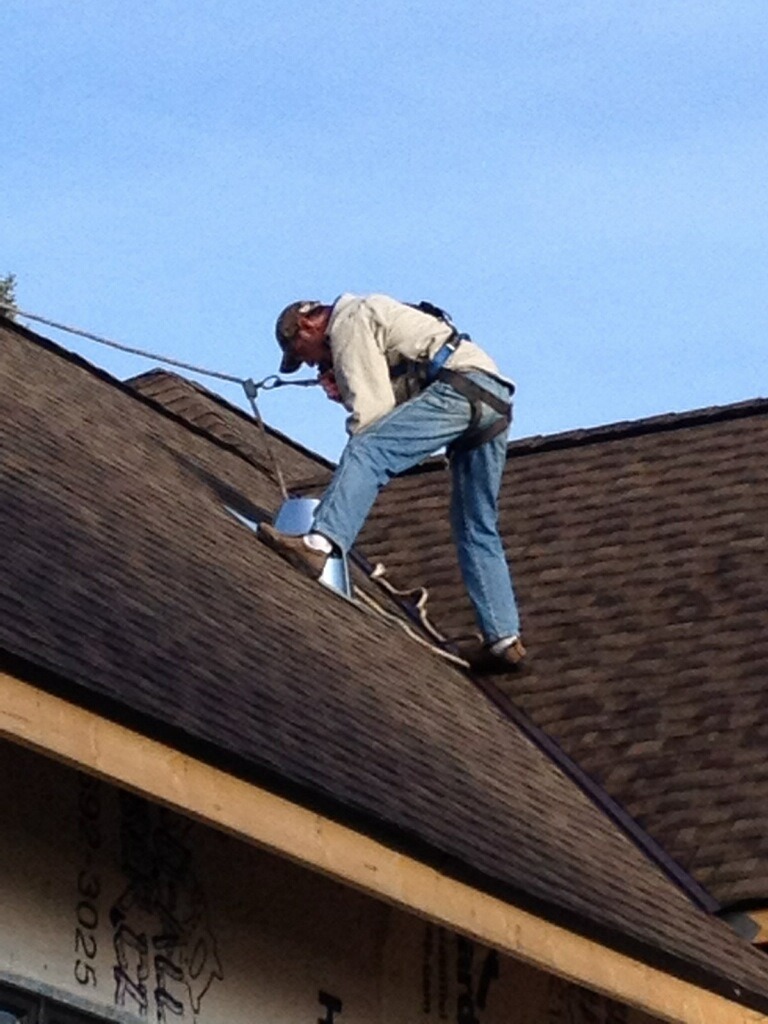
Roof replacement is a complex project that requires specialized skills, proper safety practices, and attention to detail. Professional roofing contractors bring expertise in installation techniques, material selection, and structural evaluation.
Experienced contractors understand how roofing systems perform in specific climates and can recommend solutions designed to maximize durability and efficiency.
In addition, many professional roofing companies assist homeowners with navigating insurance claims related to storm damage. This guidance can help streamline the process and ensure repairs or replacements are completed efficiently.
Because roof replacement is a major home improvement project, planning ahead can help homeowners avoid unnecessary stress or unexpected costs.
Scheduling inspections, monitoring roof condition, and budgeting for future replacement are all proactive steps that protect your home in the long run.
Homeowners who stay informed about the condition of their roof are better prepared to address issues early and maintain a durable, reliable roofing system.
Your roof is the first line of defense against Minnesota’s changing weather conditions. From heavy winter snow to summer storms, a strong roofing system protects your home, family, and belongings.
While routine maintenance can extend the life of roofing materials, every roof eventually reaches a point where replacement becomes necessary. Understanding the warning signs of aging roofs and working with experienced roofing professionals ensures your home remains protected for years to come.
Investing in a high-quality roof replacement not only improves the safety of your home but also contributes to long-term property value and peace of mind.
For homeowners seeking information about roofing systems, repairs, or full roof replacements, A&M Roofing provides residential roofing services across the Brainerd Lakes region, Crow Wing County, Aitkin County, and the Twin Cities metro area. With more than 30 years of industry experience, the company focuses on durable roofing solutions designed to withstand Minnesota’s demanding climate.
Homeowners interested in learning more about roofing materials, inspections, storm damage restoration, or replacement options can connect with the A&M Roofing team using the contact information below.
A&M Roofing LLC
20249 Journeys End Rd
Brainerd, MN 56401
Brainerd Lakes Area Phone: 218-821-9945
Twin Cities Metro Phone: 763-310-7037
Email:
Tim@AandMRoofs.com
Chance@AandMRoofs.com
Website:
https://aandmroofs.com/